
Nature as Mentor
Attributions & References
Browse through the research and photography that made this project come to life.
Jump directly to…
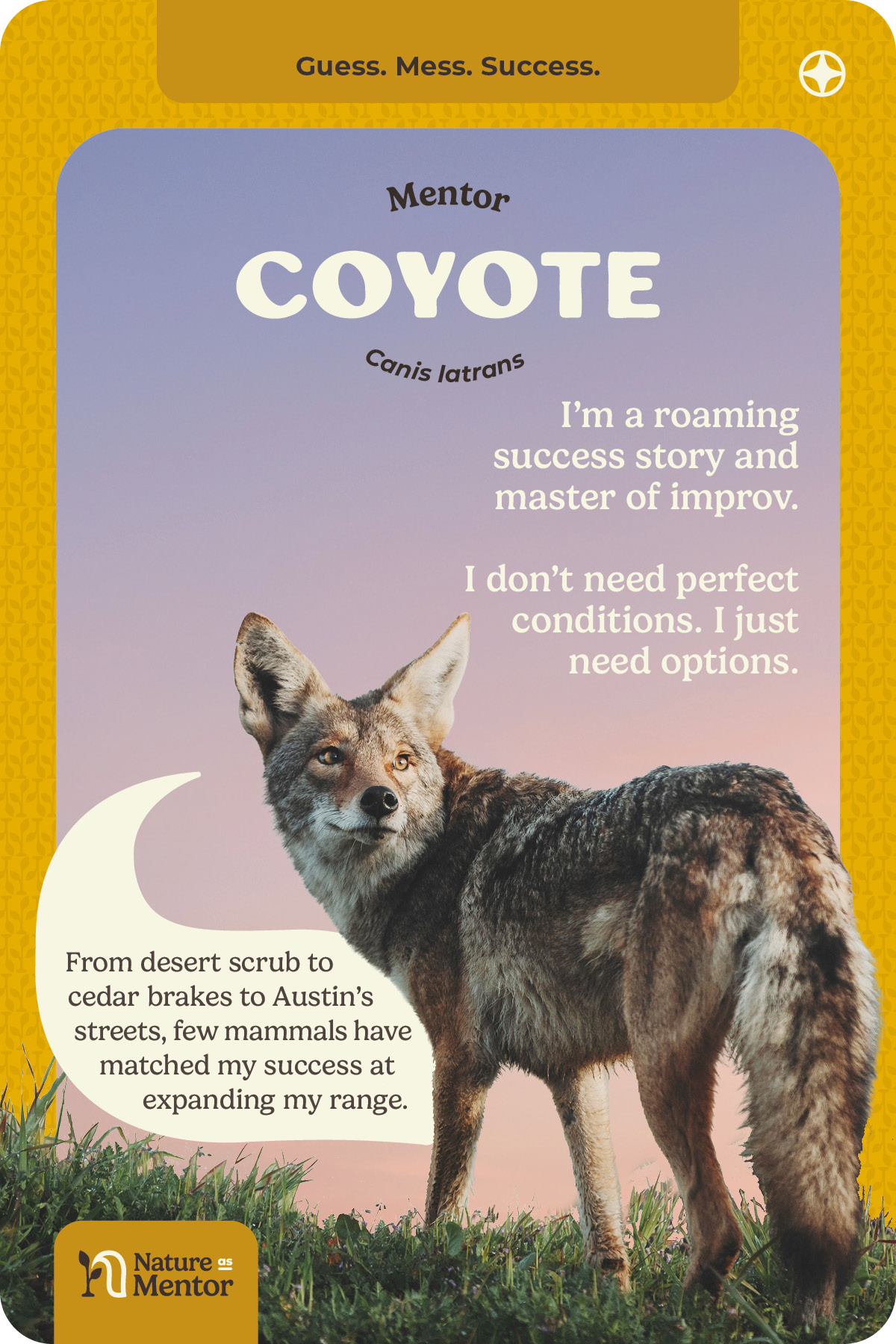
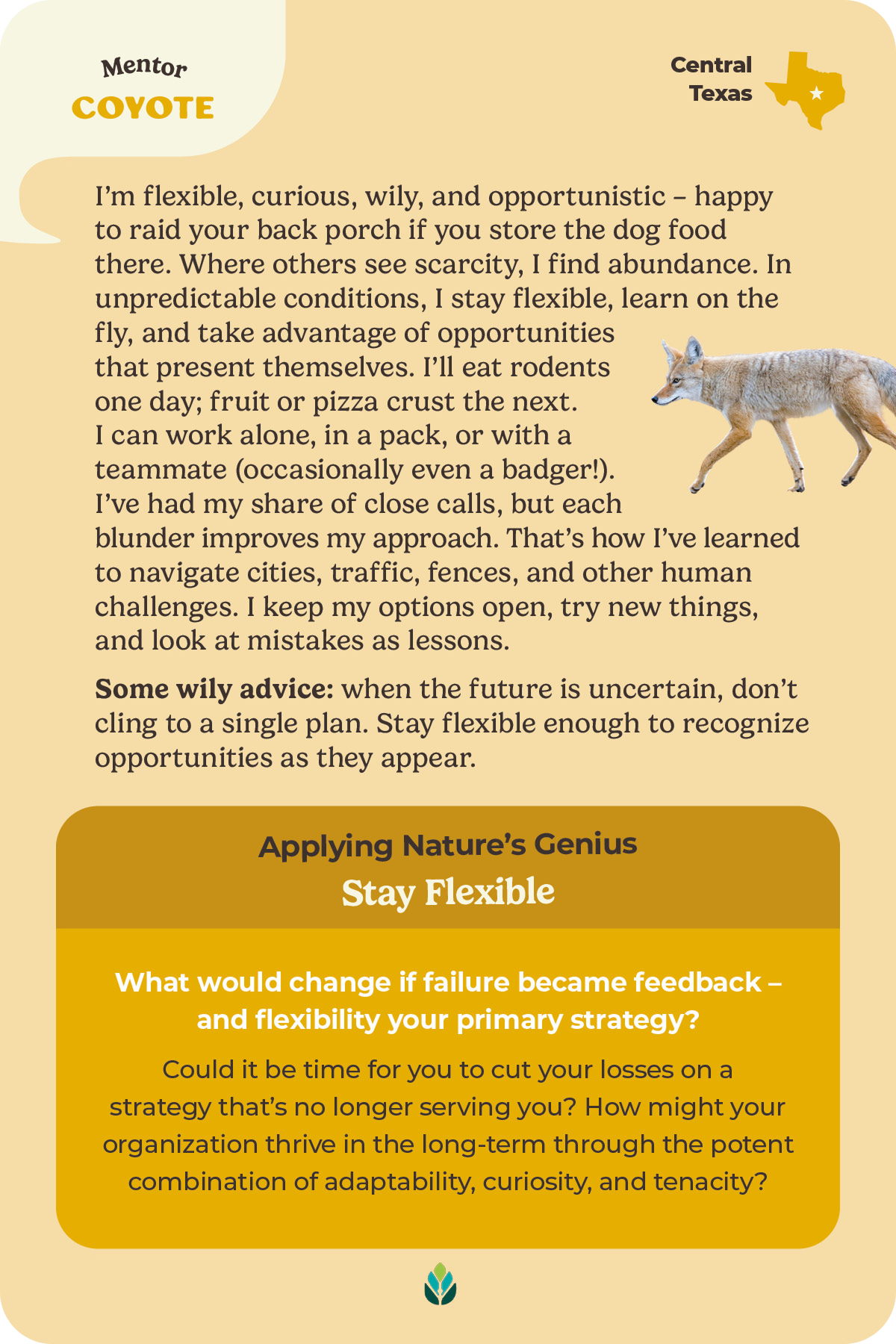
Coyote
References
Bekoff M, Wells MC. 1980. The social ecology of coyotes. Scientific American. 242(4):130–151.
Hody JW, Kays R. 2018. Mapping the expansion of coyotes (Canis latrans) across North and Central America. ZooKeys. 759:81.
Minta SC, Minta KA, Lott DF. 1992. Hunting associations between badgers (Taxidea taxus) and coyotes (Canis latrans). Journal of Mammalogy. 73(4):814–820.
Thornton D, Scully A, King T, Fisher S, Fitkin S, Rohrer J. 2018. Hunting associations of American badgers (Taxidea taxus) and coyotes (Canis latrans) revealed by camera trapping. Canadian Journal of Zoology. 96(7):769–773
Photography
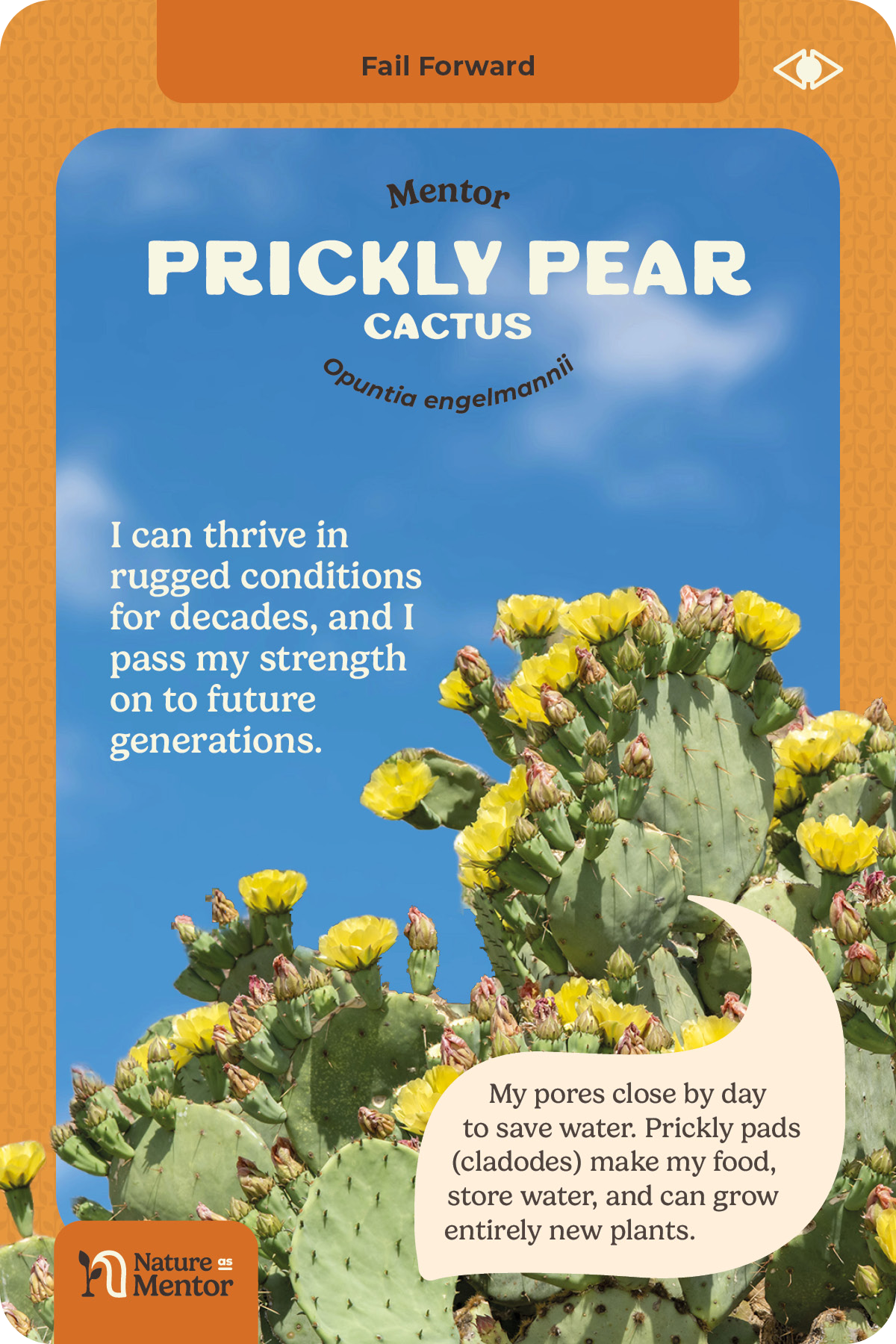
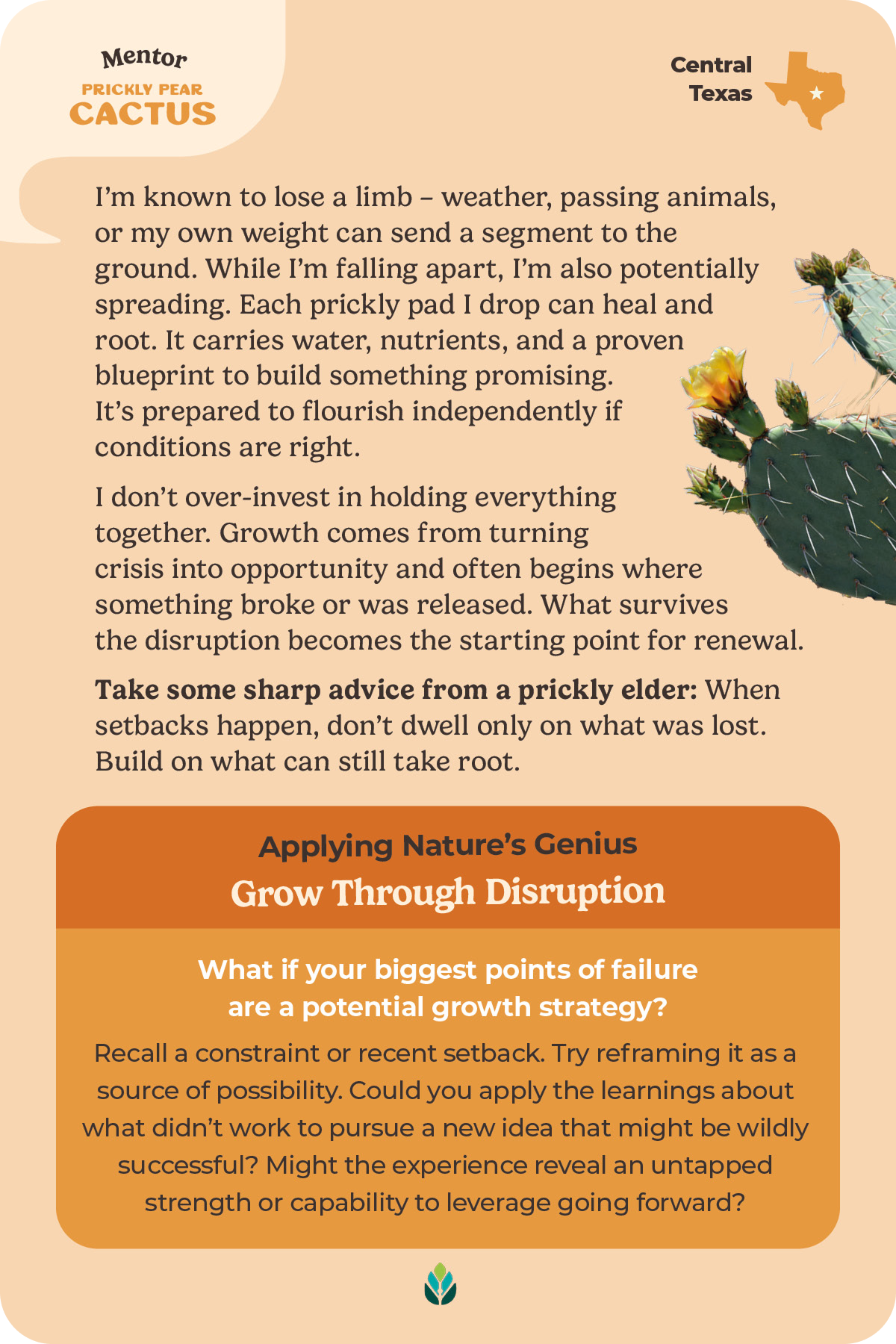
Prickly Pear Cactus
Majure LC, Puente R, Griffith MP, Judd WS, Soltis PS, Soltis DE. 2012. Phylogeny of Opuntia ss (Cactaceae): clade delineation, geographic origins, and reticulate evolution. American Journal of Botany. 99(5):847–864.
Reyes-Agüero JA, Valiente-Banuet A. 2006. Reproductive biology of Opuntia: a review. Journal of Arid Environments. 64(4):549–585.
Snyman HA. 2006. A greenhouse study on root dynamics of cactus pears, Opuntia ficus-indica and O. robusta. Journal of Arid Environments. 65(4):529–542.
References
Photography
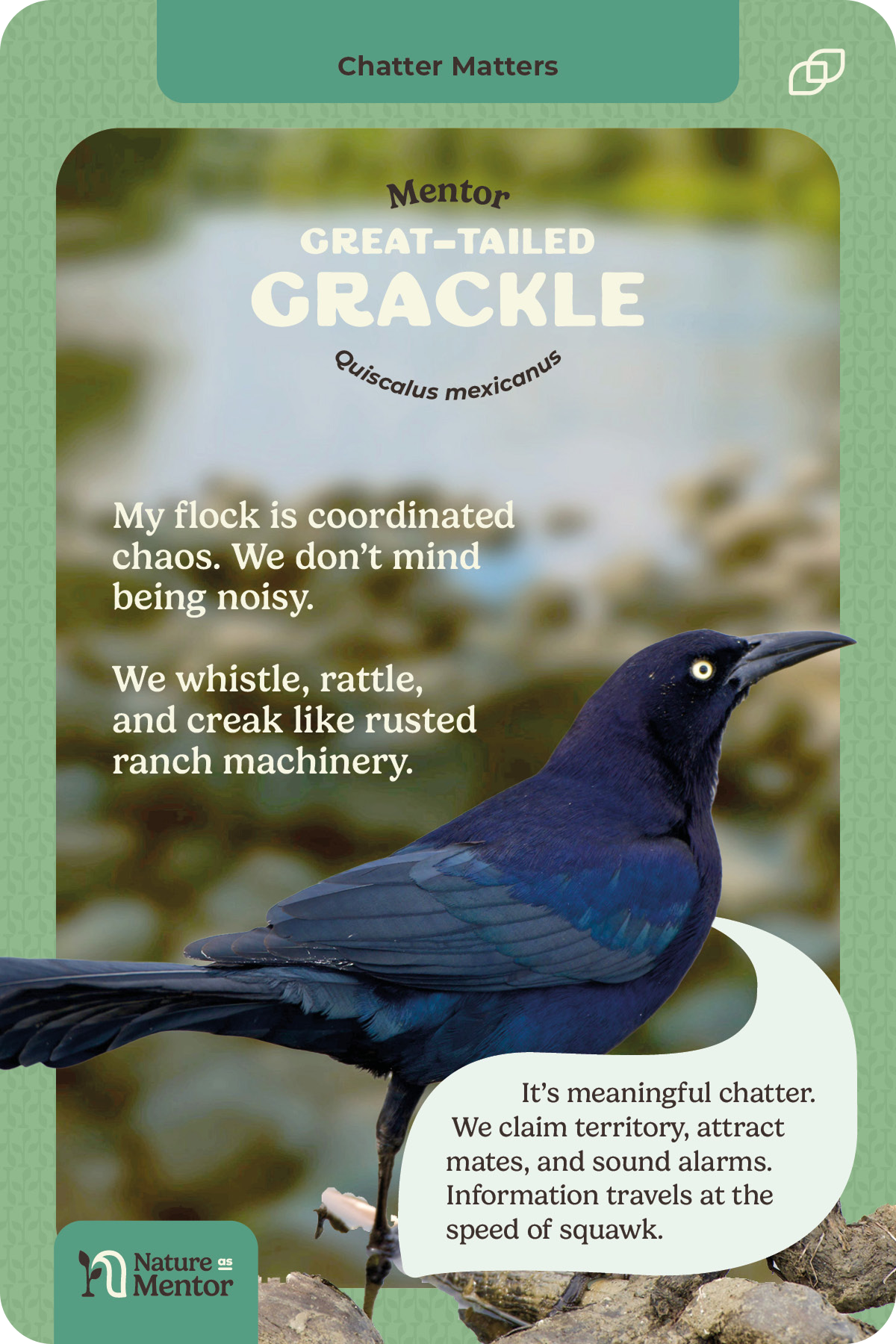

Great-Tailed Grackle
Bowser S, MacPherson M. 2021. A study on the role of social information sharing leading to range expansion in songbirds with large vocal repertoires: enhancing our understanding of the Great-Tailed Grackle (Quiscalus mexicanus) alarm call. Peer Community in Ecology [Internet]. [cited 2026 Aug 25]; Article ID 183. Available from: https://ecology.peercommunityin.org/articles/rec?id=183
Caccamise DF, Lyon LA, Fischl J. 1983. Seasonal patterns in roosting flocks of starlings and common grackles. Condor. 85(4):474–481.
Dominguez JS, Bolger M, Bush A, Hauber ME. 2024. Strangers like me: birds respond equally to a familiar and an unfamiliar sentinel species’ alarm calls, but respond less to non-core and non-sentinel’s alarm calls. Journal of Avian Biology. 2024(3):e03230.
Iacopini I, Foote JR, Fefferman NH, Derryberry EP, Silk MJ. 2024. Not your private tête-à-tête: leveraging the power of higher-order networks to study animal communication. Philos Trans R Soc Lond B Biol Sci. 379(1905):20230190.
Kok OB. 1971. Vocal behavior of the great-tailed grackle (Quiscalus mexicanus prosopidicola). Condor. 73(3):348–363.
Kuspiel M, Lindeman A, Naguib M, Kingma SA. 2025. The duration of alarm- and territorial defence calls alters receiver response in Eurasian magpies. Animal Cognition. 28:59.
Martínez RJ, Perez R, Mendoza L, Quirós DI. 2022. Ethogram of the common behavior of Quiscalus mexicanus (Passeriformes: Icteridae) in the Republic of Panama. Tecnociencia. 24(1):72–86.
University of Tsukuba. 2023 Jun 7. Collective behavior study examines how birds of a feather flock together. [accessed 2026 May 25]. https://phys.org/news/2023-06-behavior-birds-feather-flock.html.
Wehtje W. 2003. The range expansion of the great-tailed grackle (Quiscalus mexicanus) in North America since 1880. Journal of Biogeography. 30(10):1593–1607.
References
Photography
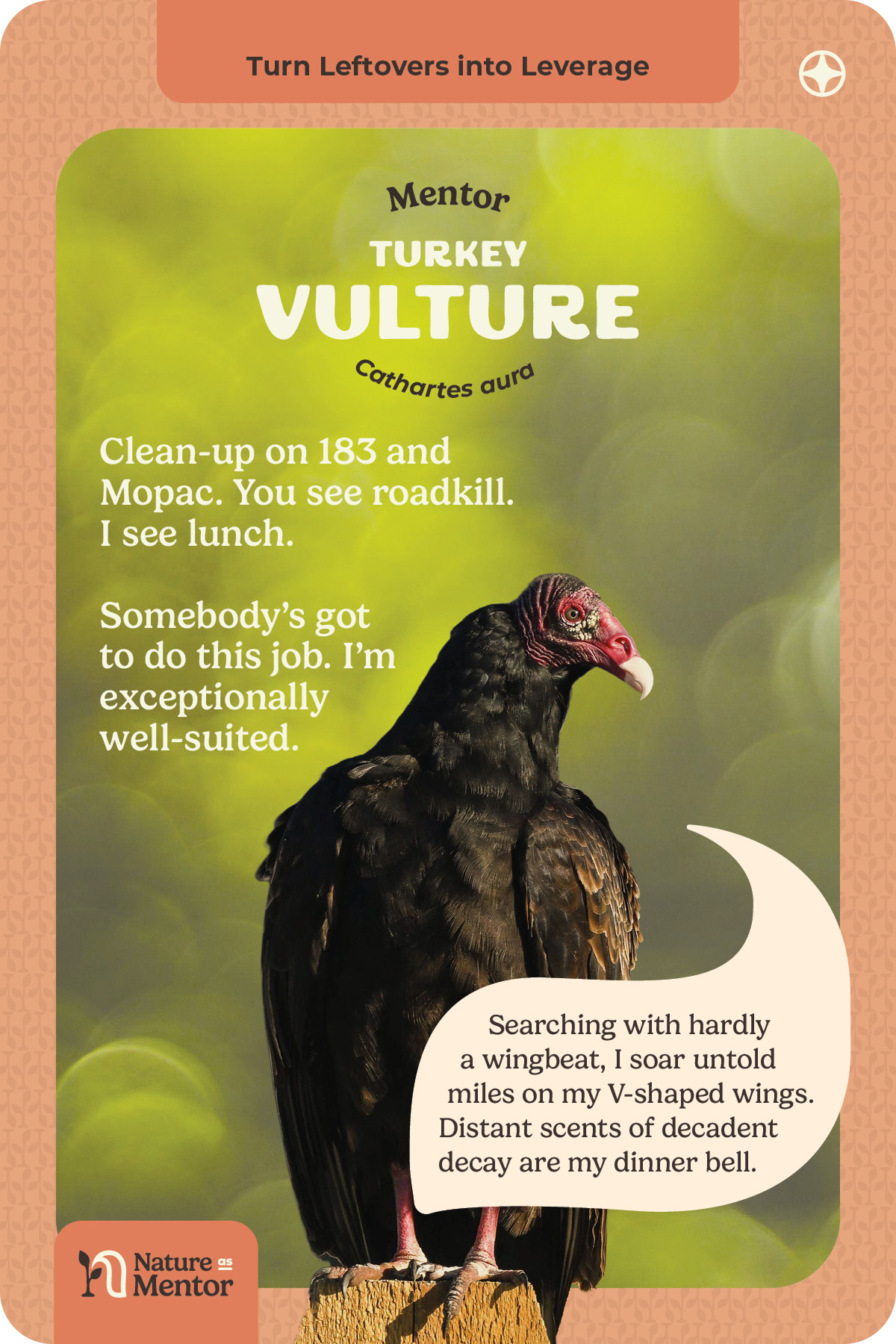
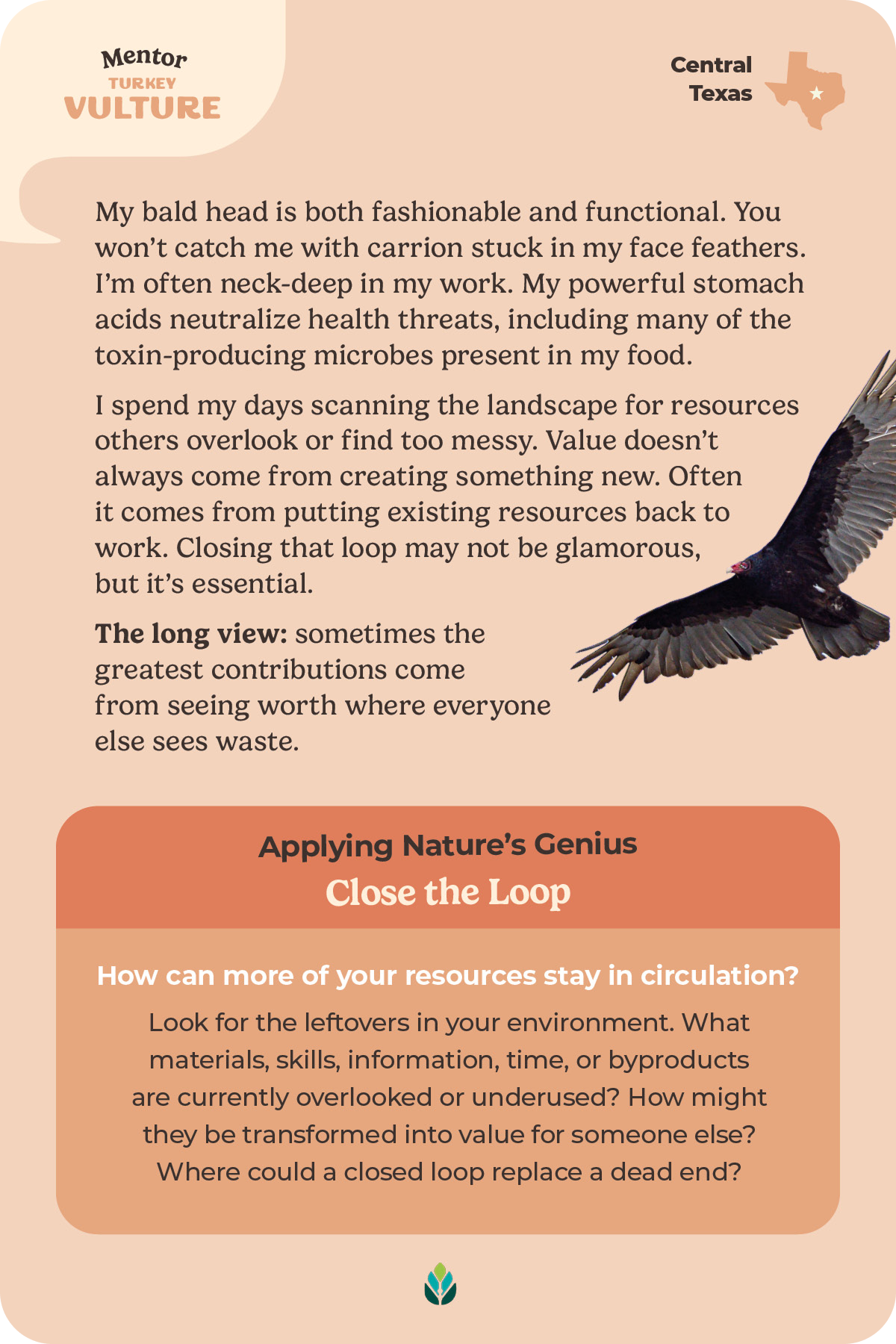
Turkey Vulture
Graves GR. 2017. Field measurements of gastrointestinal pH of New World vultures in Guyana. Journal of Raptor Research. 51(4):465–469.
Grigg NP, Krilow JM, Graves GR, Iwaniuk AN. 2017. Anatomical evidence for scent‑guided foraging in the turkey vulture. Scientific Reports. 7:17494.
Mandel JT, Bildstein KL, Bohrer G, Winkler DW. 2008. Movement ecology of migration in turkey vultures. Proceedings of the National Academy of Sciences. 105(49):19102–19107.
Roggenbuck M, Schnell IB, Blom N, Bælum J, Bertelsen MF, Sicheritz-Pontén T, Sørensen SJ, Gilbert MTP, Graves GR, Hansen LH. 2014. The microbiome of New World vultures. Nat Commun. 5:5498. doi:10.1038/ncomms6498.
Santangeli A, Lambertucci SA, Margalida A, Carucci T, Botha A, Whitehouse‑Tedd K, Cancellario T. 2024. The global contribution of vultures towards ecosystem services and sustainability: An expert perspective. Science. 27(6):109925.
Smith SA, Paselk RA. 1986. Olfactory sensitivity of the Turkey Vulture (Cathartes aura) to three carrion‑associated odorants. The Auk. 103(3):586–592.
References
Photography
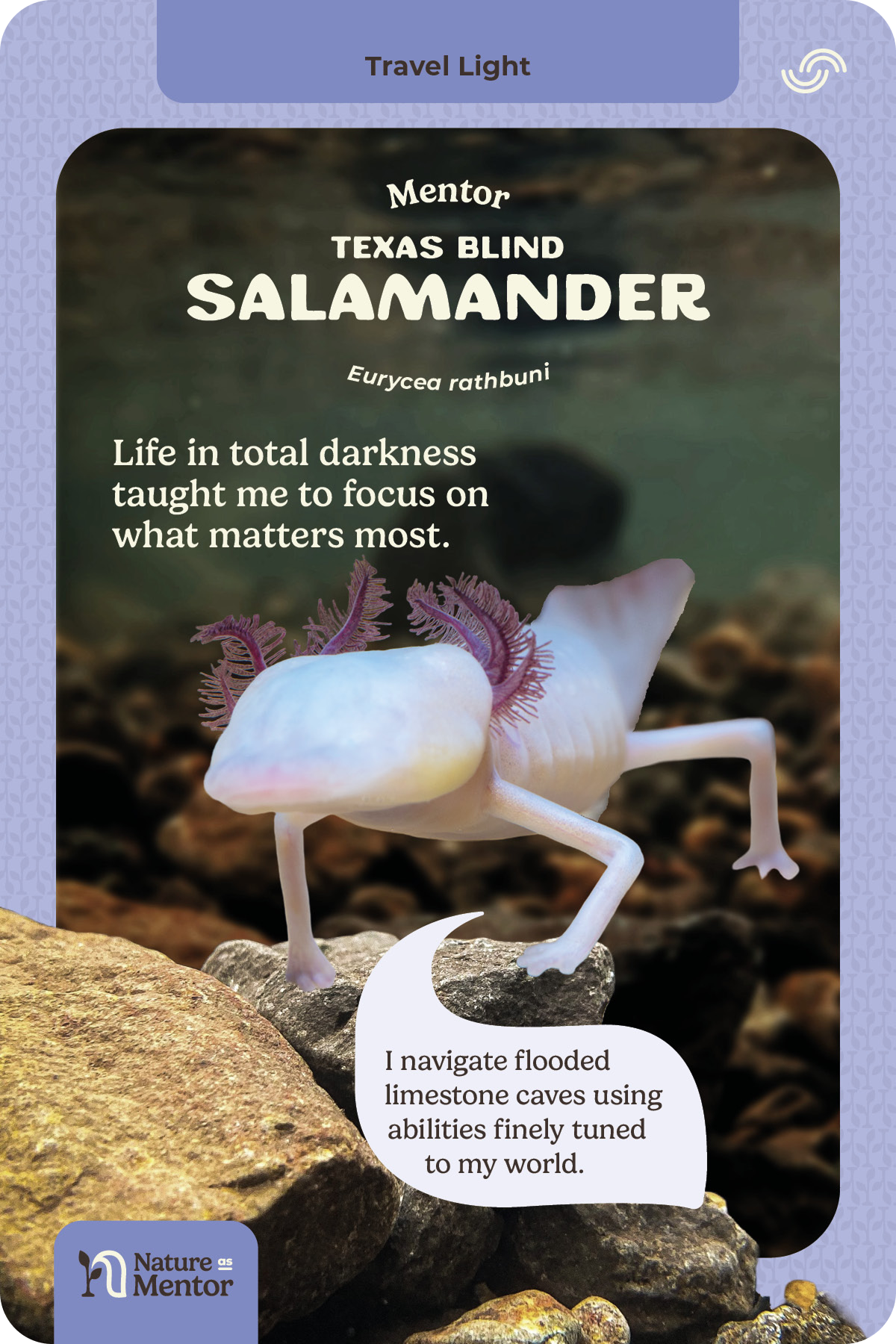
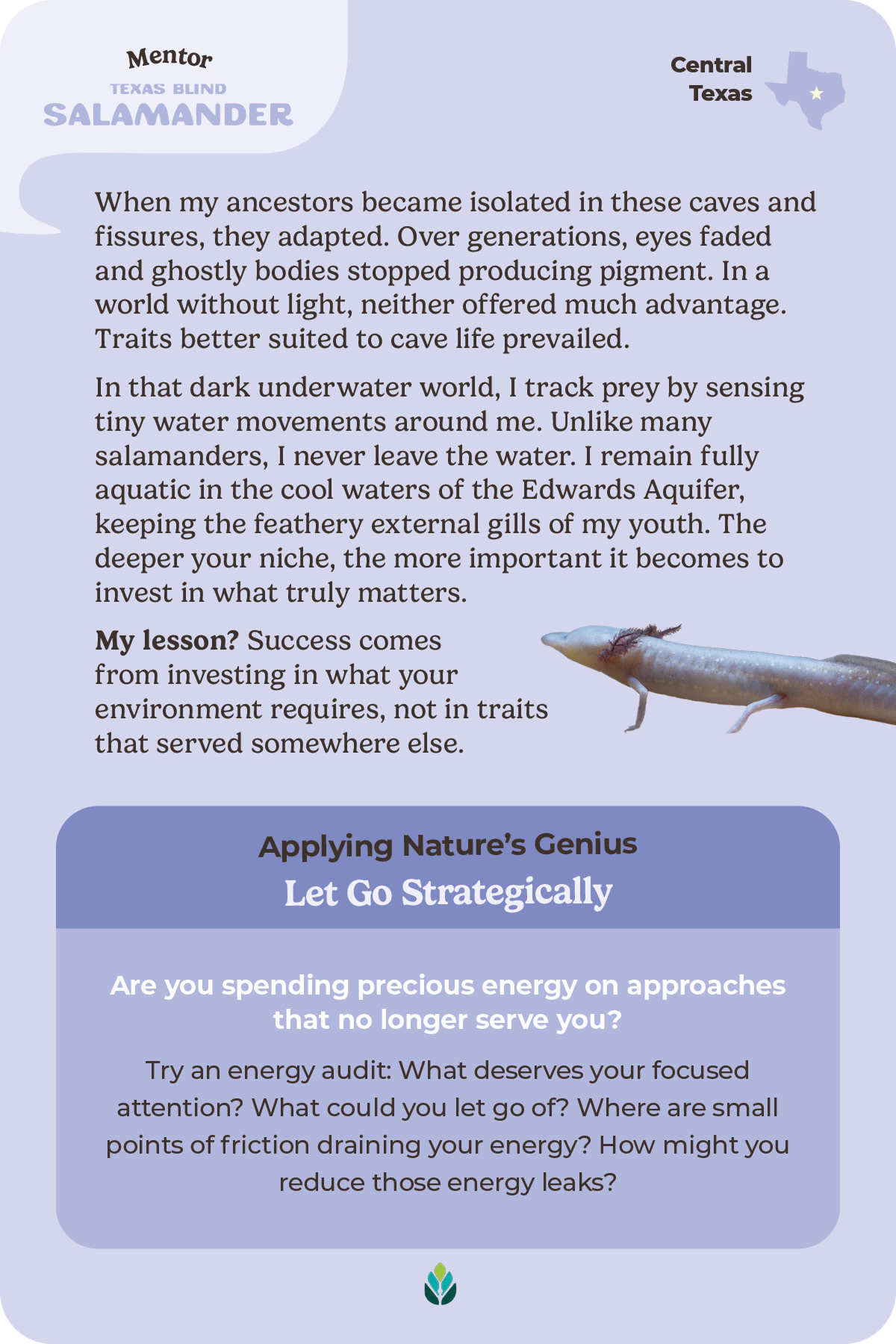
Texas Blind Salamander
Chippindale PT, Hillis DM, Price AH. 1994. Relationships, status, and distribution of central Texas hemidactyliine plethodontid salamanders (Eurycea and Typhlomolge). Austin (TX): Texas Parks and Wildlife Department. Final Section 6 Report, Project No. E-1-4.
Hillis DM, Chamberlain DA, Wilcox TP. 2001. A new species of subterranean blind salamander (Plethodontidae: Hemidactyliini: Eurycea: Typhlomolge) from Austin, Texas, and a systematic revision of central Texas paedomorphic salamanders. Herpetologica. 57(3):266-280.
Longley G. 1978. Status of Typhlomolge (= Eurycea) rathbuni, the Texas Blind Salamander. Albuquerque (NM): U.S. Fish and Wildlife Service. Endangered Species Report No. 2.
Soares D. 2020. Extreme adaptation in caves. Anatomical Record. 303(1):15-23.
References


Photography
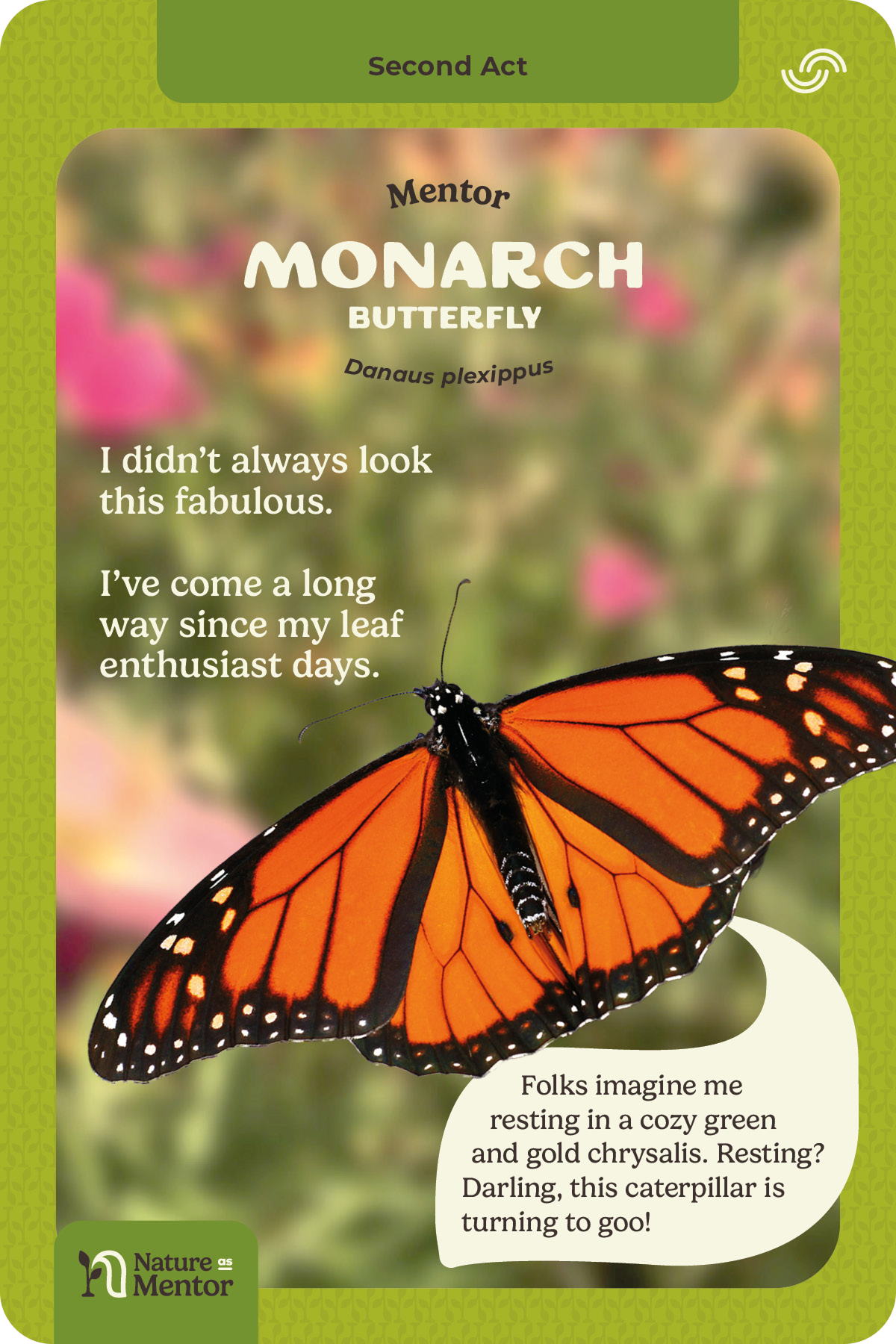
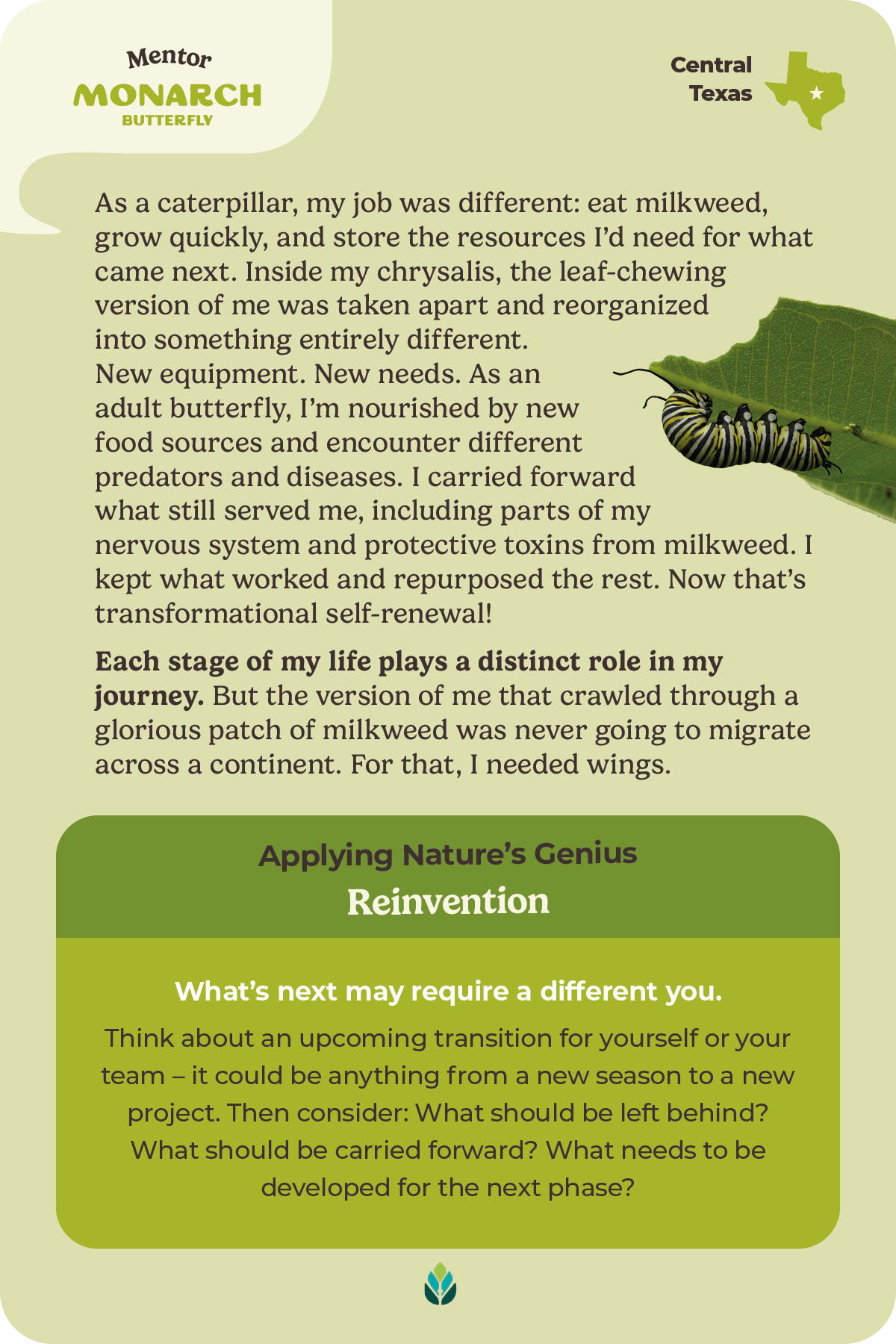
Monarch Butterfly
Agrawal AA, Hastings AP, Duplais C. 2024. Testing the selective sequestration hypothesis: Monarch butterflies preferentially sequester plant defences that are less toxic to themselves while maintaining potency to others. Ecology Letters. 27(1). DOI: 10.1111/ele.14340.
Blackiston DJ, Silva Casey E, Weiss MR. 2008. Retention of memory through metamorphosis: can a moth remember what it learned as a caterpillar? PLoS ONE. 3(3):e1736.
Brower LP, Glazier SC. 1975. Localization of heart poisons in the monarch butterfly. Science. 188(4183):19-25.
Monarch Joint Venture. 2025. Life cycle [Internet]. St. Paul (MN): Monarch Joint Venture [cited 2026 Aug 10]. Available from: https://monarchjointventure.org/monarch-biology/life-cycle
Oberhauser KS, Solensky MJ, editors. 2004. The monarch butterfly: biology and conservation. Ithaca (NY): Cornell University Press.
Truman JW. 2019. The evolution of insect metamorphosis. Curr Biol. 29(23):R1252-R1268.
Truman JW, Riddiford LM. 2002. Endocrine insights into the evolution of metamorphosis in insects. Annual Review of Entomology. 47:467-500.
U.S. Forest Service. 2025. Monarch butterfly (Danaus plexippus) [Internet]. Washington (DC): U.S. Department of Agriculture [cited 2026 Aug 10]. Available from: https://www.fs.usda.gov/wildflowers/pollinators/pollinator-of-the-month/monarch_butterfly.shtml
References
Photography
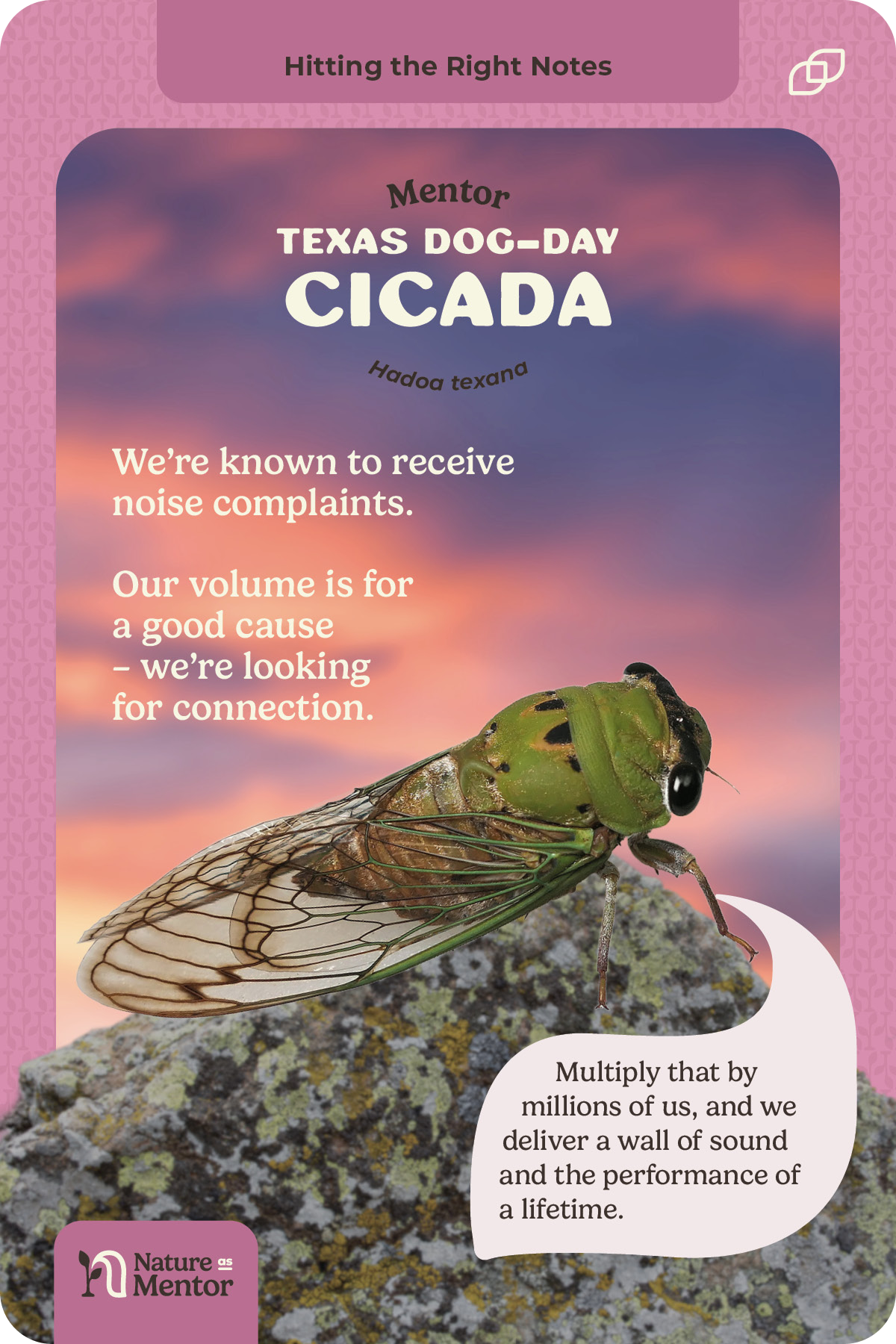
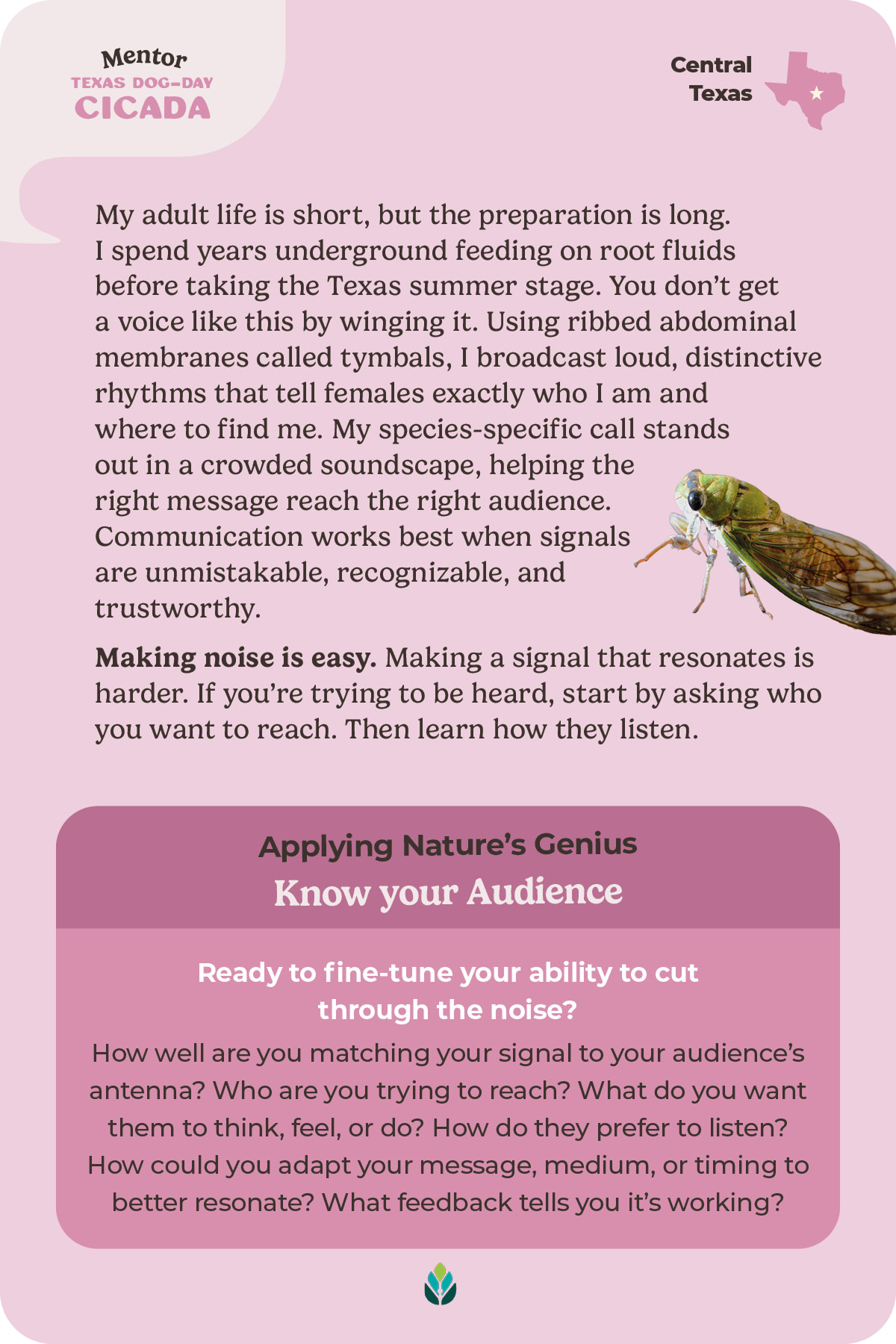
Texas Dog-Day Cicada
Sanborn AF, Phillips PK. 2013. Biogeography of the cicadas (Hemiptera: Cicadidae) of Texas. Zootaxa. 3626(2):201–239.
Sueur J, Sanborn AF. 2004. Acoustic signals and behavioral isolation in cicadas. Biol J Linn Soc. 83(1):121–130.
Williams KS, Simon C. 1995. The ecology, behavior, and evolution of periodical cicadas. Annu Rev Entomol. 40(1):269–295.
Young D, Bennet-Clark HC. 1995. The mechanism of sound production in cicadas. J Exp Biol. 198(4):1001–1019.
References
Photography
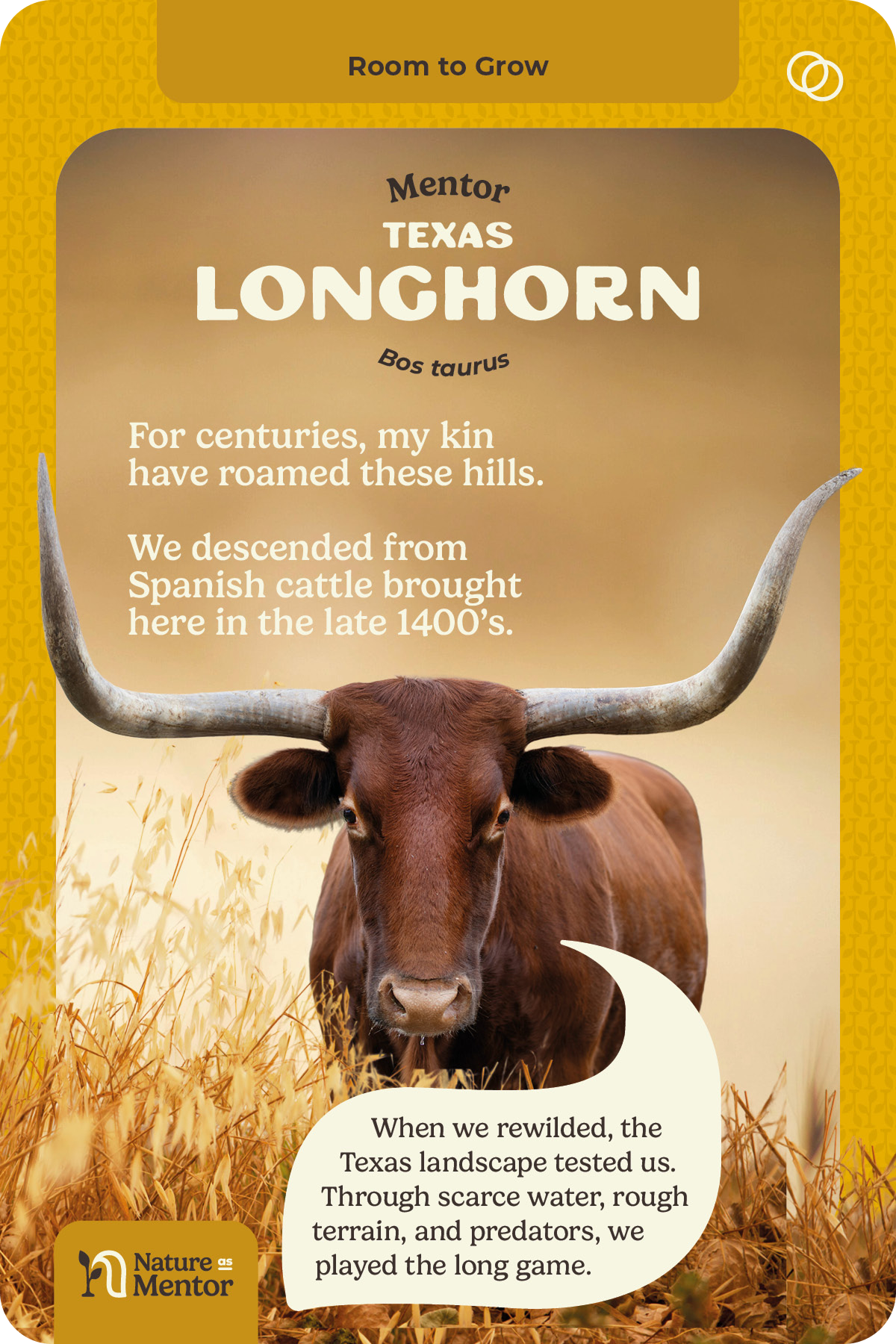
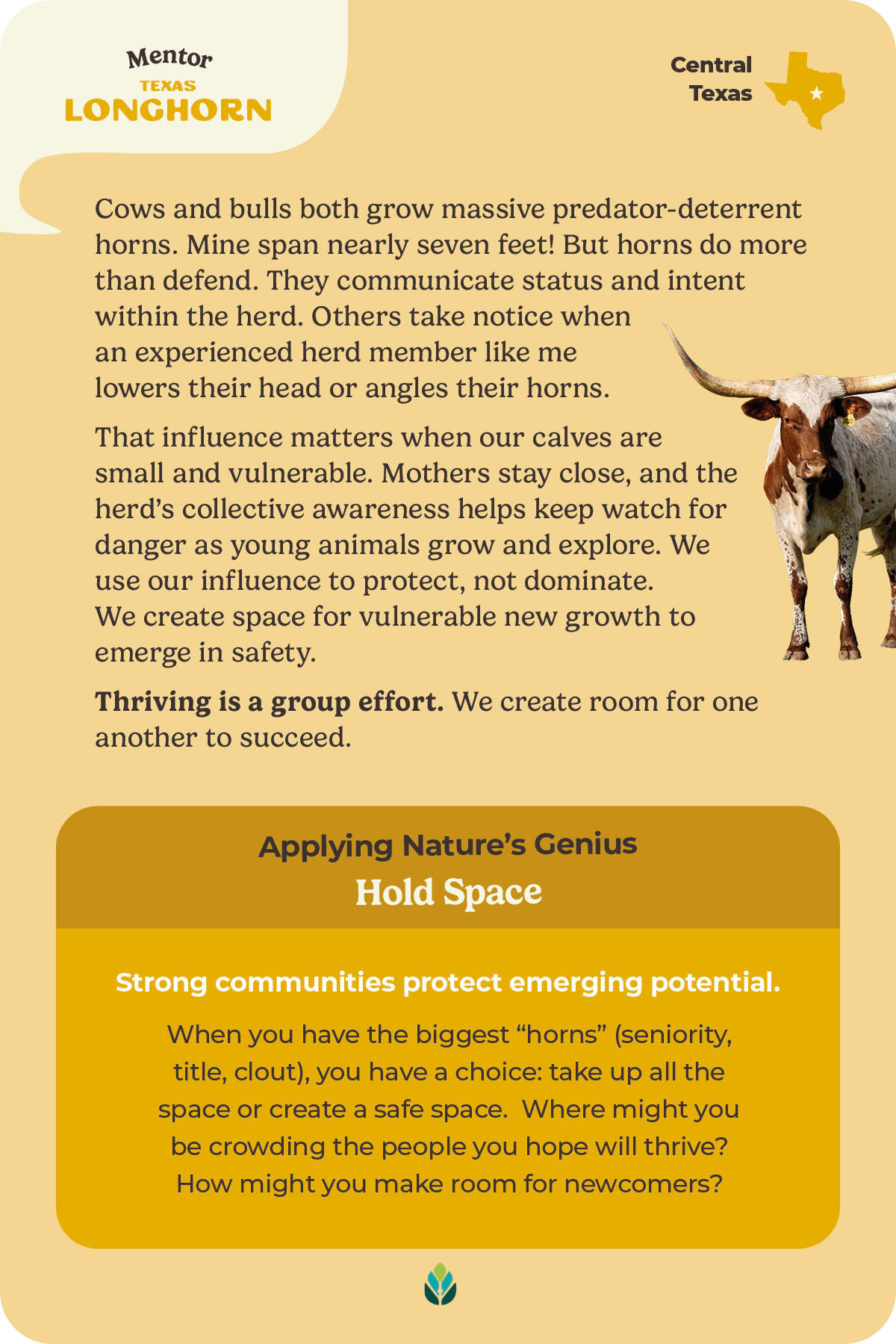
Texas Longhorn
McTavish EJ, Decker JE, Schnabel RD, Taylor JF, Hillis DM. 2013. New World cattle show ancestry from multiple independent domestication events. Proc Natl Acad Sci U S A. 110(15):E1398-E1406.
Specht J. 2016. The rise, fall, and rebirth of the Texas Longhorn: an evolutionary history. Environ Hist. 21(2):343-363.
Valle C. 2018. 11 habits of our Texas Longhorn cattle: highlighting the advantages [Internet]. [Dublin (TX)]: GVR Longhorns; [cited 2026 Aug 25]. Available from: https://gvrlonghorns.com/cattle-blog/f/11-habits-of-our-longhorn-cattle-herd/
References
Photography
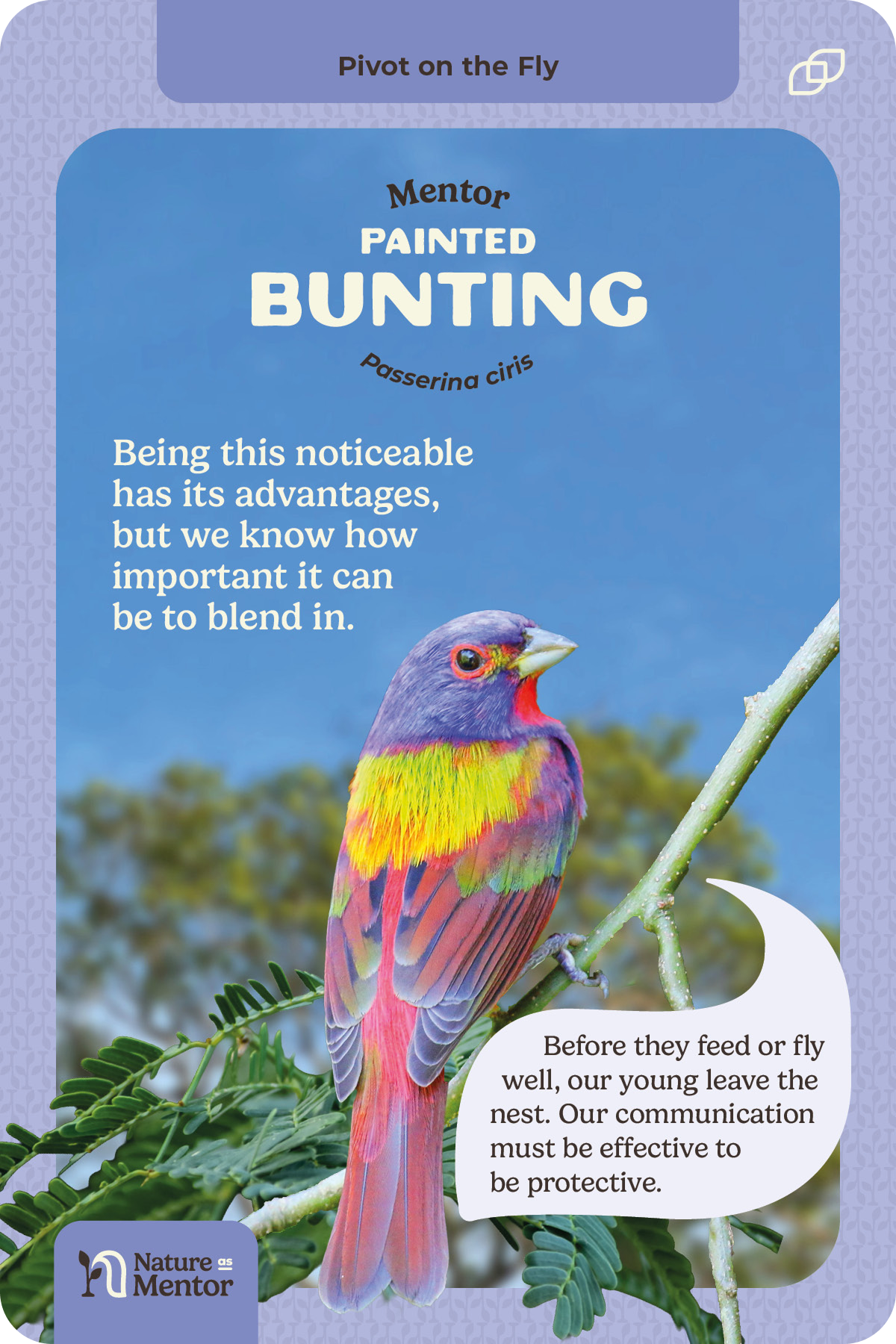
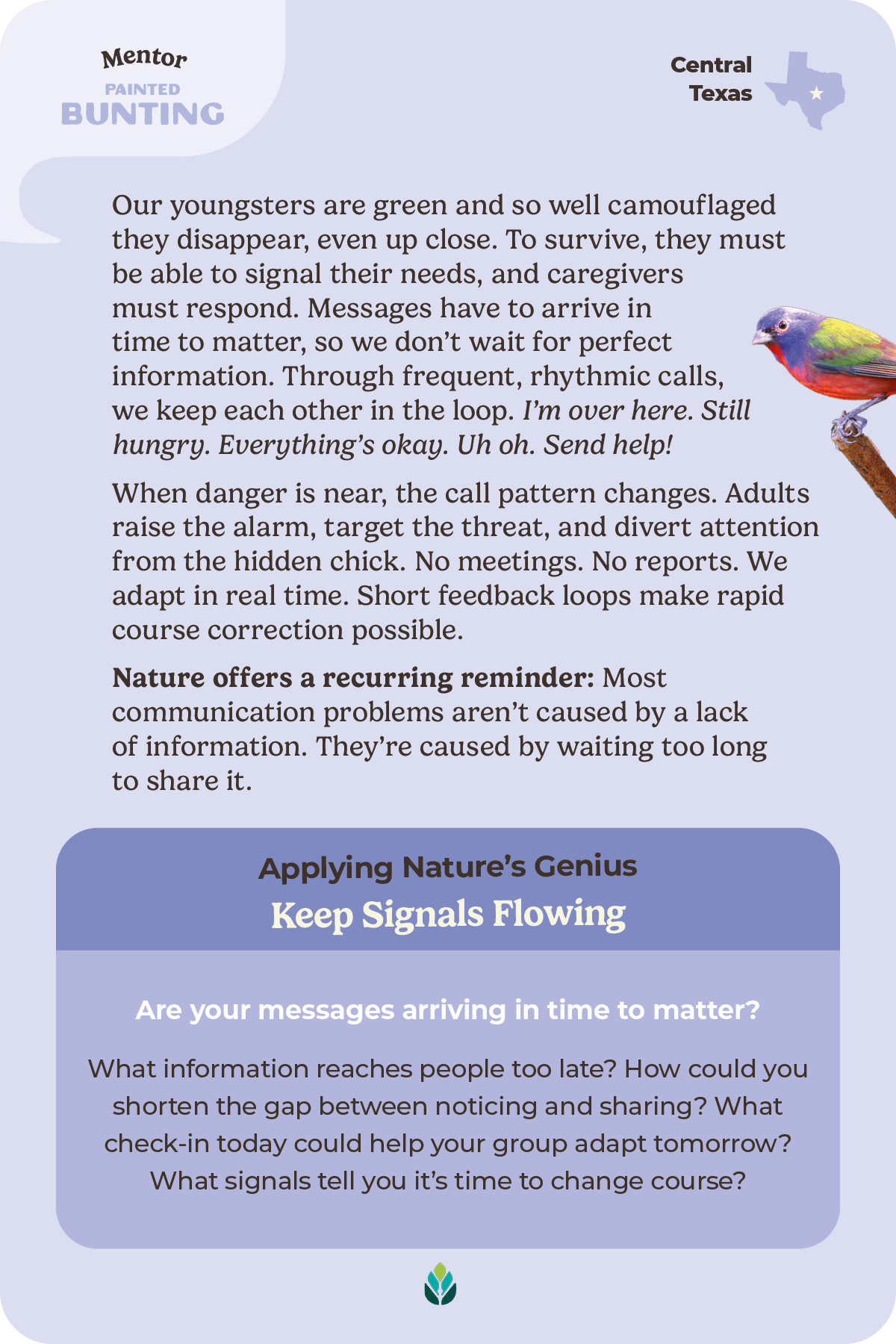
Painted Bunting
Lowther PE, Lanyon SM, Thompson CF. 2020. Painted Bunting (Passerina ciris), version 1.0. In: Birds of the World. Ithaca (NY): Cornell Lab of Ornithology.
Thompson CF. 1991. The biology of the painted bunting. In: Current Ornithology. Vol. 8. New York (NY): Plenum Press. p. 1-38.
Marler P. 2004. Bird calls: their potential for behavioral neurobiology. Ann N Y Acad Sci. 1016:31-44.
Templeton CN, Greene E, Davis K. 2005. Allometry of alarm calls: black-capped chickadees encode information about predator size. Science. 308(5730):1934-1937.
Kilner R, Johnstone RA. 1997. Begging the question: are offspring solicitation behaviours signals of need? Trends Ecol Evol. 12(1):11-15.
References
Photography
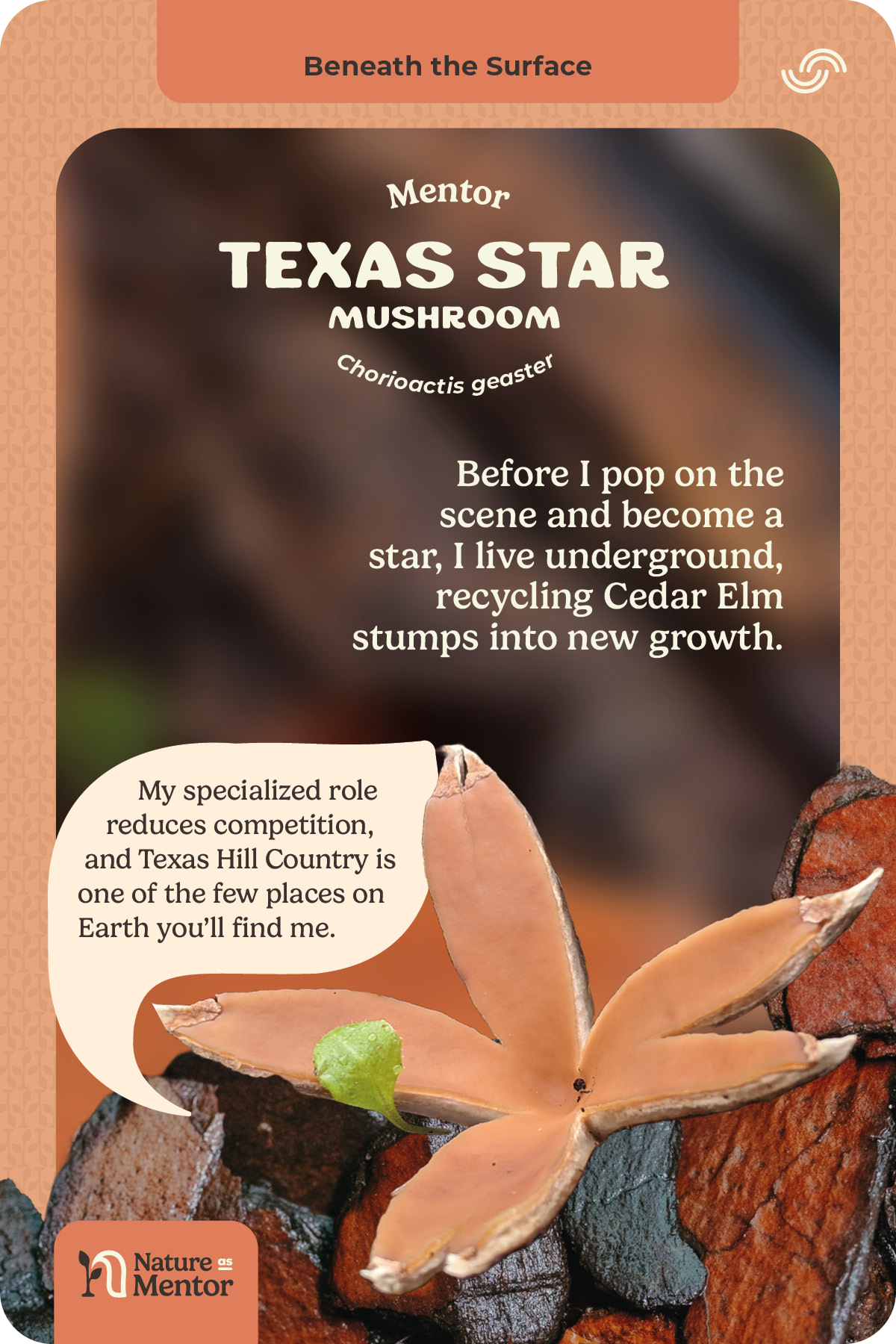
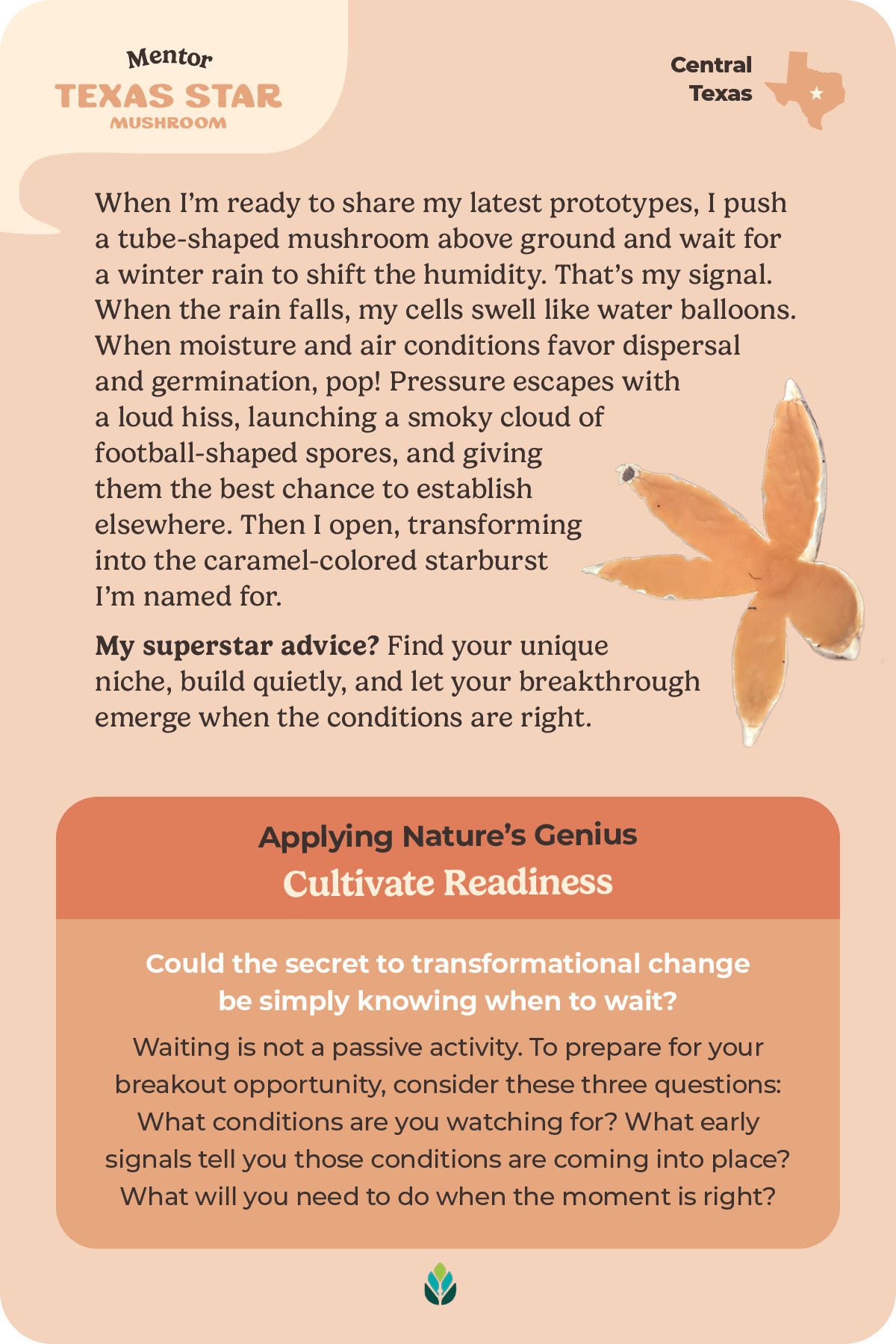
Texas Star Mushroom
Fort Worth Botanic Garden. 2021 Jun 7. Texas star mushroom now state mushroom of Texas [Internet]. Fort Worth (TX): Fort Worth Botanic Garden; [cited 2026 May 25]. Available from: https://fwbg.org/2021/06/07/texas-star-mushroom/
Heald FD, Wolf FA. 1910. The structure and relationship of Urnula geaster. Botanical Gazette. 49(3):182–188.
Rudy KC, Keller HW. 1996. The rare and fascinating Devil’s cigar, Chorioactis geaster. Mycologist. 10(1):33–35.
Wang C, Kuzyakov Y. 2024. Mechanisms and implications of bacterial-fungal competition for soil resources. ISME J. 18(1):wrae073. doi:10.1093/ismejo/wrae073.
References
Front
Photo Donation by Angel Schatz
Back
Photo Donation by Angel Schatz
Photography
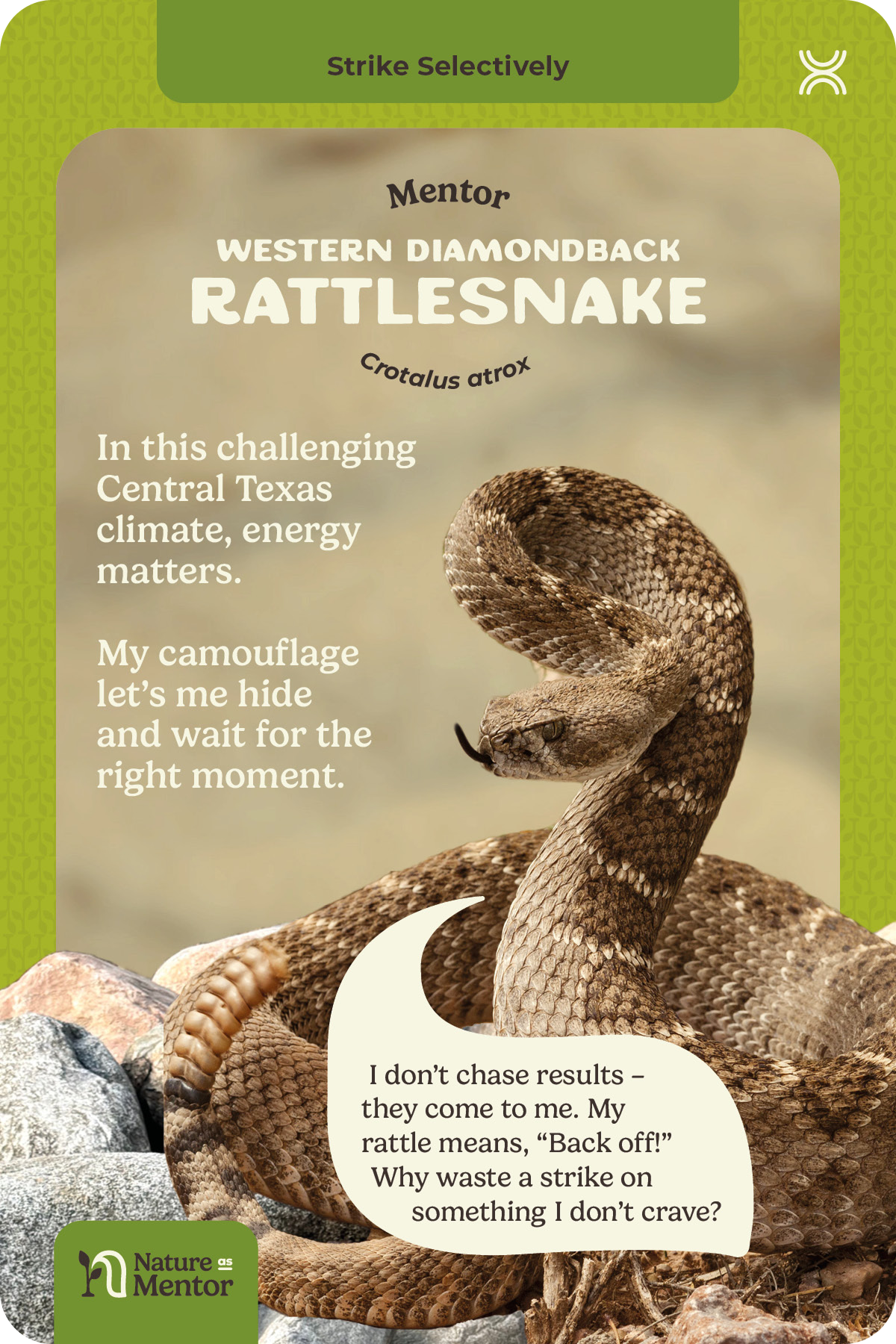
Western Diamondback Rattlesnake
Ebert J, Westhoff G. 2006. Behavioural examination of the infrared sensitivity of rattlesnakes (Crotalus atrox). Journal of Comparative Physiology A. 192(9):941–947.
Kardong KV, Bels VL. 1998. Rattlesnake strike behavior: kinematics. Journal of Experimental Biology. 201(6):837–850.
McCue MD. 2007. Snakes survive starvation by employing supply-and demand-side economic strategies. Zoology. 110(4):318–327.
References

Photography
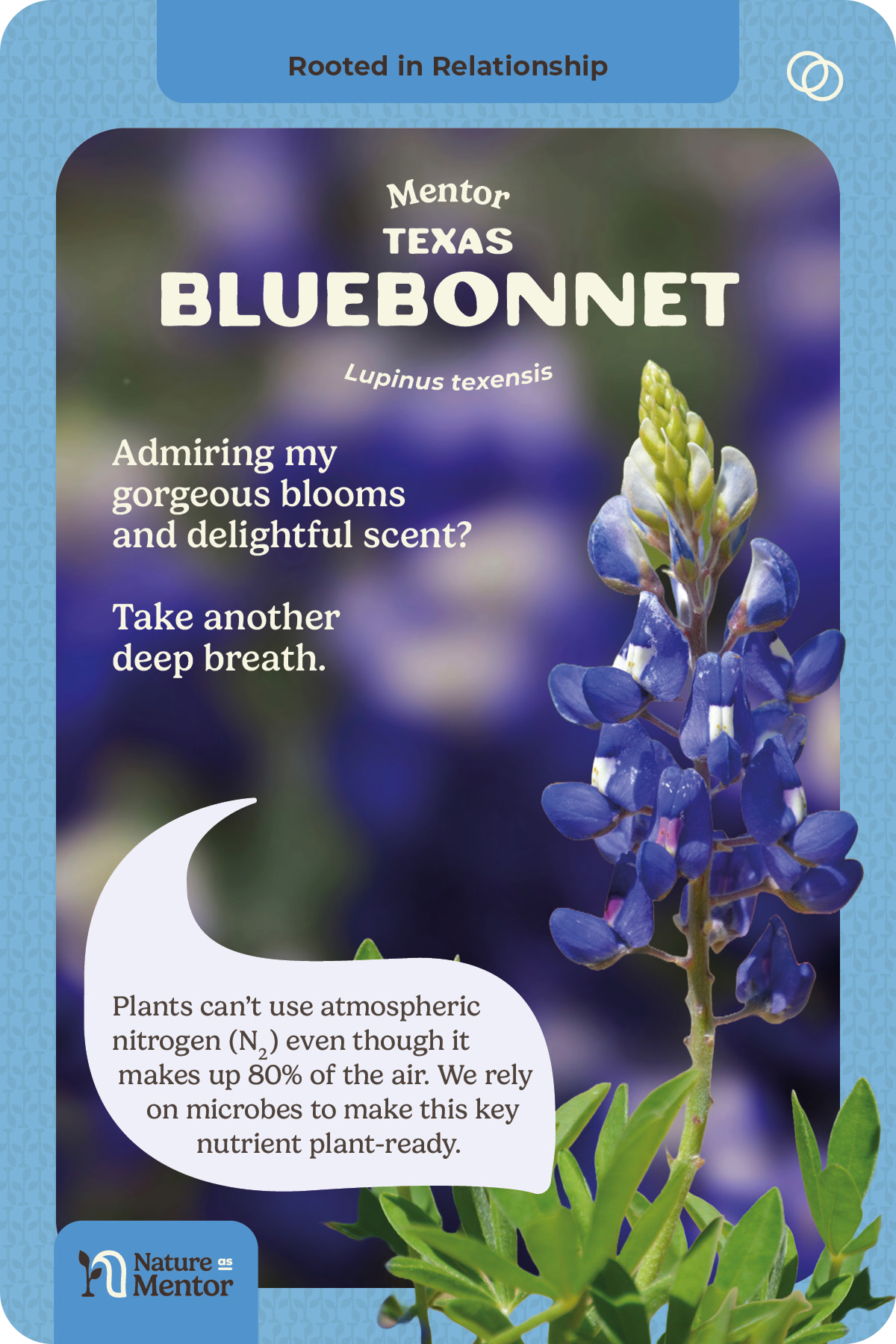
Texas Bluebonnet
Andam CP, Parker MA. 2007. Novel alphaproteobacterial root nodule symbiont associated with Lupinus texensis. Applied and Environmental Microbiology. 73(17):5687–5691.
Gou X, Reich PB, Qiu L, Shao M, Wei G, Wang J, Wei X. 2023. Leguminous plants significantly increase soil nitrogen cycling across global climates and ecosystem types. Glob Change Biol. 29(14):4028-4043. doi:10.1111/gcb.16742.
Lepetit M, Brouquisse R. 2023. Control of the rhizobium–legume symbiosis by the plant nitrogen demand is tightly integrated at the whole plant level. Frontiers in Plant Science. 14:1114840.
Ohyama T, Kumazawa K. 1980. Nitrogen assimilation in soybean nodules: I. Role of the GS/GOGAT system in the assimilation of ammonia produced by N₂ fixation. Soil Science and Plant Nutrition. 26(1):109–115.
Schulte CCM, Borah K, Wheatley RM, Terpolilli JJ, Saalbach G, Crang N, de Groot DH, Ratcliffe RG, Kruger NJ, Papachristodoulou A, Poole PS. 2021. Metabolic control of nitrogen fixation in rhizobium–legume symbioses. Science Advances. 7(31):eabh2433.
Schwember AR, Schulze J, del Pozo A, Cabeza RA. 2019. Regulation of symbiotic nitrogen fixation in legume root nodules. Plants. 8(9):333.
Wang Q, Liu J, Zhu H. Genetic and Molecular Mechanisms Underlying Symbiotic Specificity in Legume–Rhizobium Interactions Frontiers in Plant Science 9:313 (2018)
Zahran HH. 1999. Rhizobium-legume symbiosis and nitrogen fixation under severe conditions and in an arid climate. Microbiol Mol Biol Rev. 63(4):968–989.
Zhang X, Wu J, Kong Z. 2024. Cellular basis of legume–rhizobium symbiosis. Plant Communications. 5(11):101045.
References
Photography
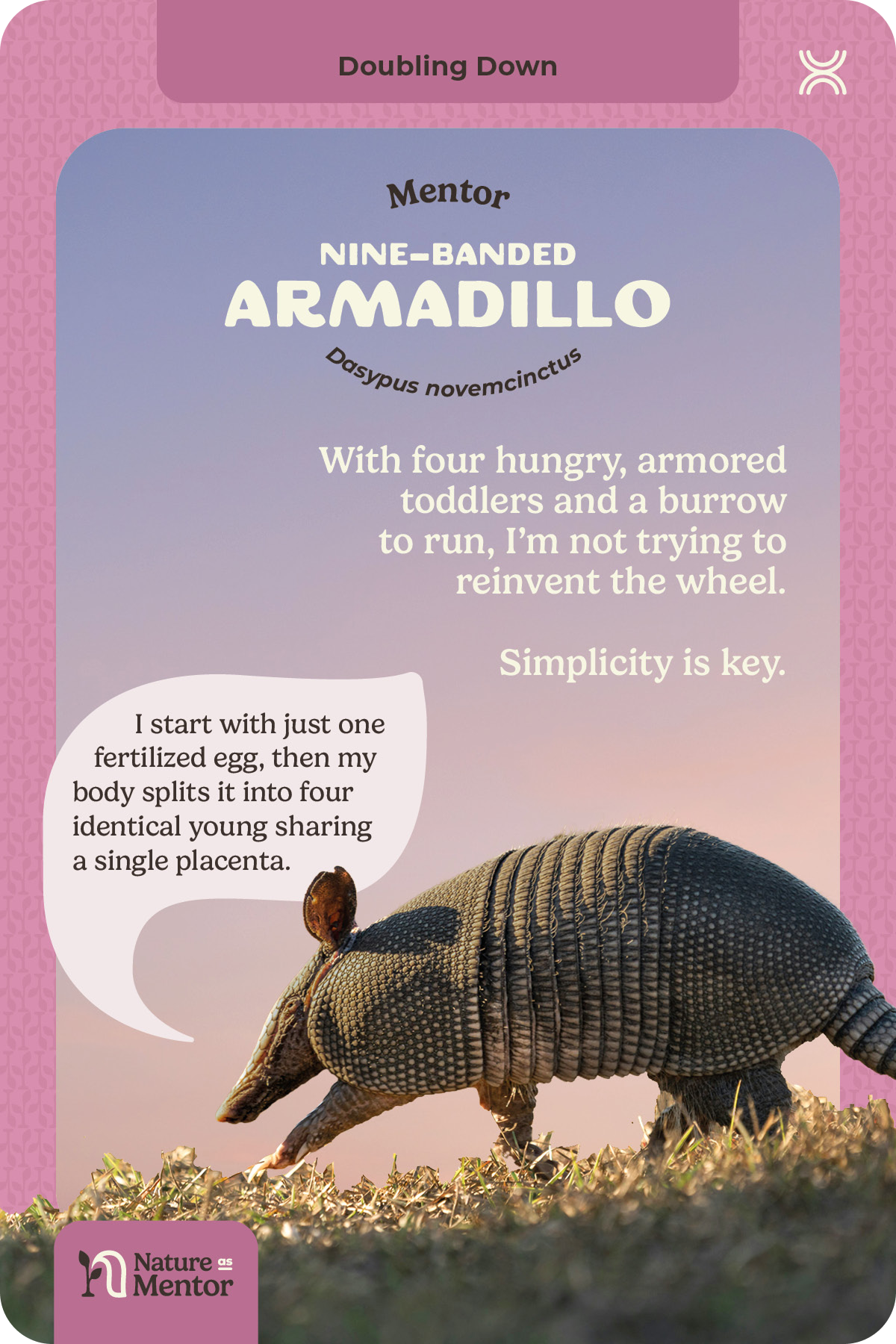
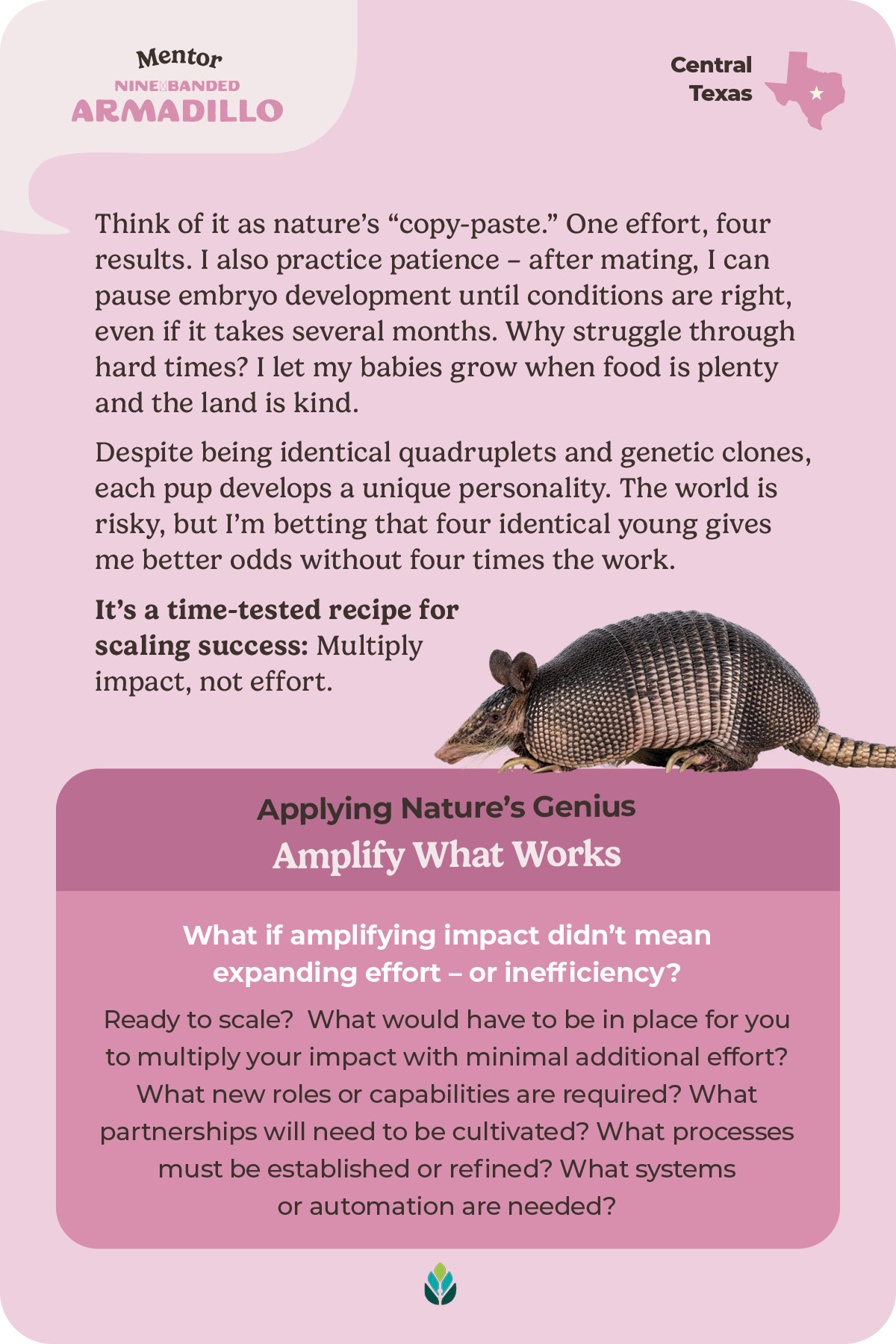
Nine-banded Armadillo
Boughton R, Main M. 2019. Wildlife of Florida factsheet: nine-banded armadillo. Gainesville (FL): University of Florida IFAS Extension. Publication No.: WEC212; [accessed 2026 May 14]. https://ask.ifas.ufl.edu/publication/UW456.
Enders AC. 1960. Electron microscopic observations on the villous haemochorial placenta of the nine-banded armadillo. J Anat. 94(Pt 2):205.
Loughry WJ, Dwyer GM, McDonough CM. 1998. Behavioral interactions between juvenile nine-banded armadillos (Dasypus novemcinctus) in staged encounters. Am Midl Nat. 139(1):125–132. http://www.jstor.org/stable/2426807.
Loughry WJ, McDonough CM. 2002. Phenotypic variability within and between litters of nine-banded armadillos. Southeastern Naturalist. 1(3):287–298.
Prodöhl PA, Loughry WJ, McDonough CM, Nelson WS, Avise JC. 1996. Molecular documentation of polyembryony and the micro-spatial dispersion of clonal sibships in the nine-banded armadillo, Dasypus novemcinctus. Proc R Soc Lond B Biol Sci. 263(1377):1643–1649.
Storrs EE, Burchfield HP, Rees RJW. 1988. Superdelayed parturition in armadillos: a new mammalian survival strategy. Leprosy Rev. 59(1):11–15.
Talmage RV, Buchanan GD. 1954. The armadillo (Dasypus novemcinctus): a review of its natural history, ecology, anatomy and reproductive physiology. Rice Inst Pamphlet. 41(2):1–135.
References
Photography
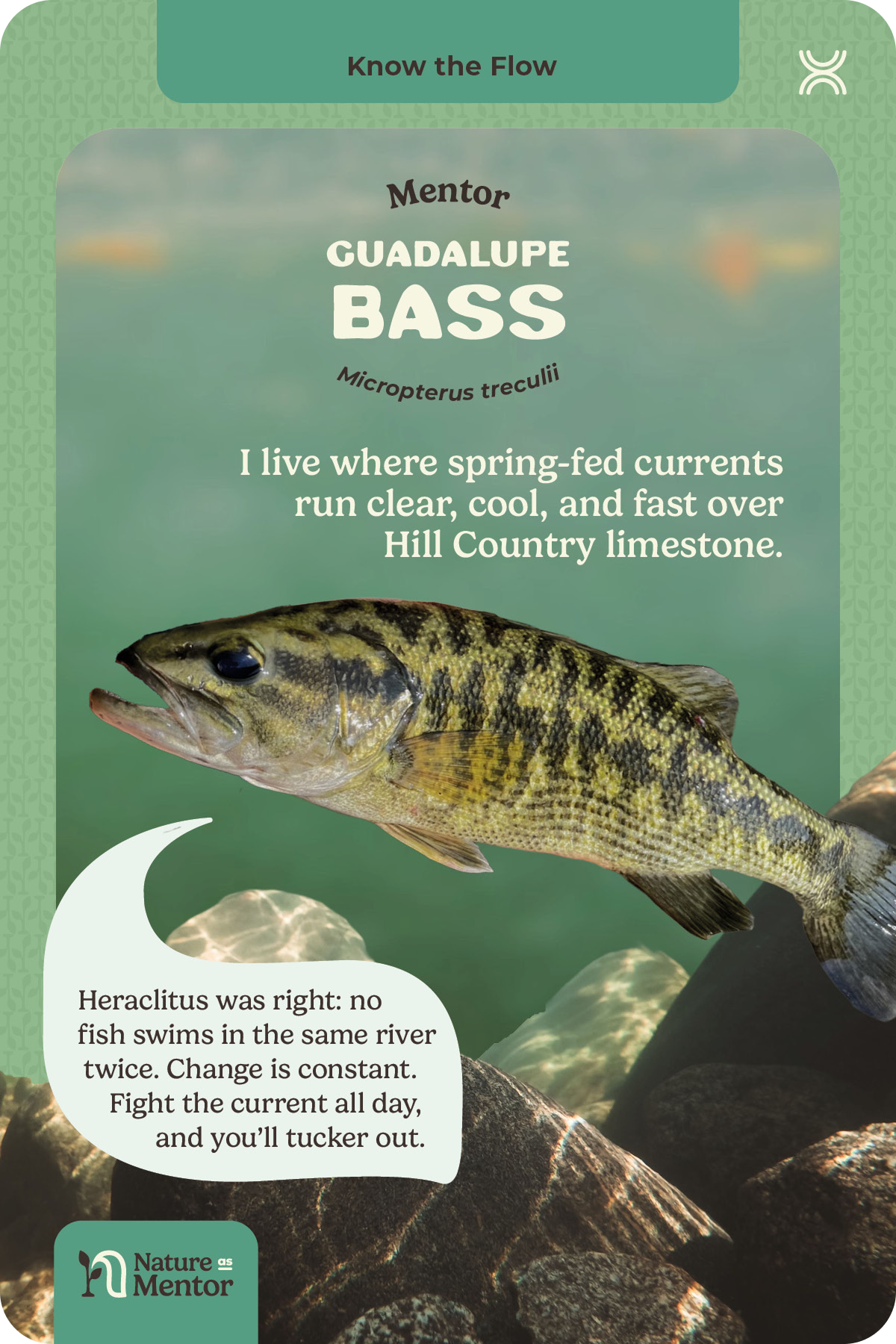
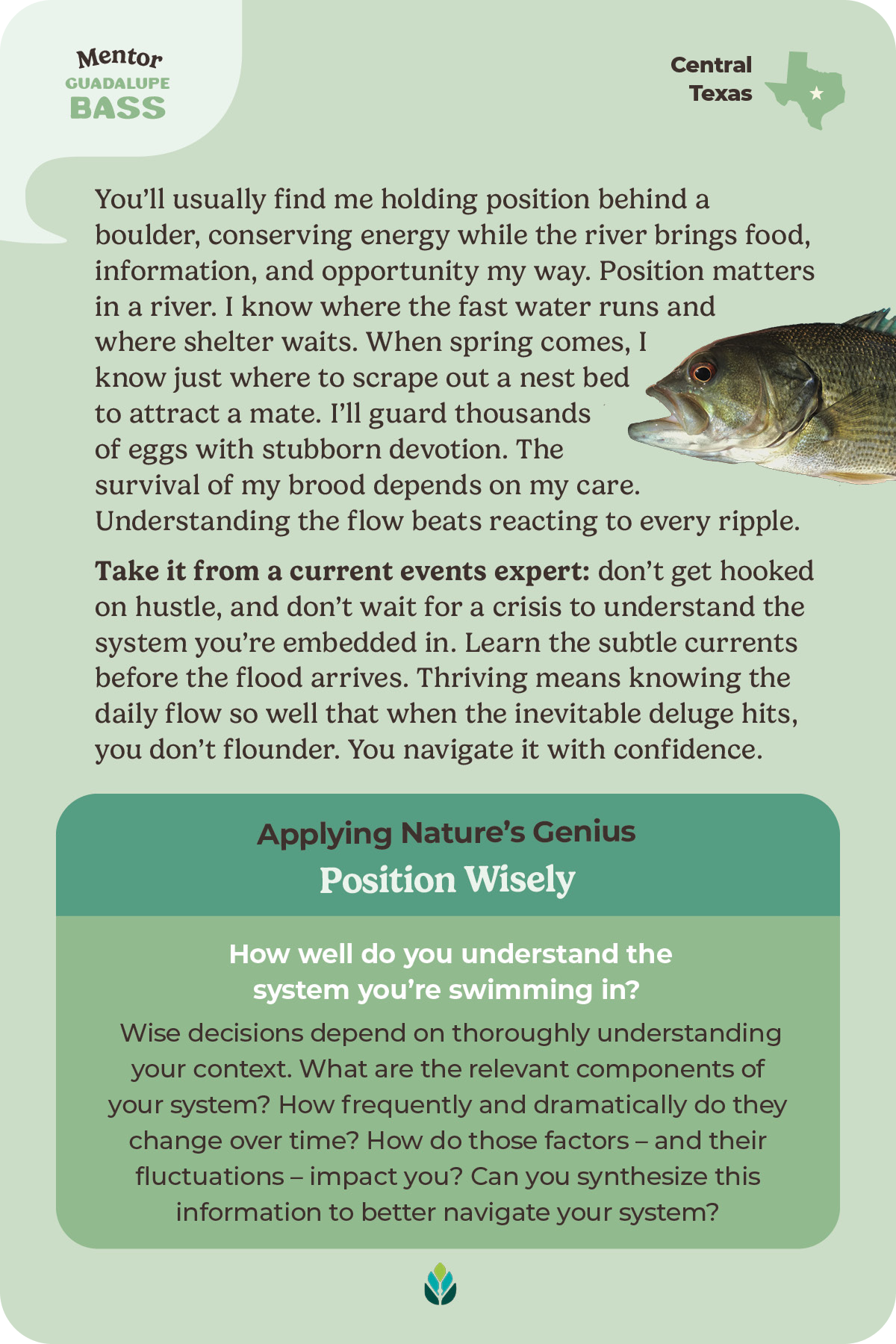
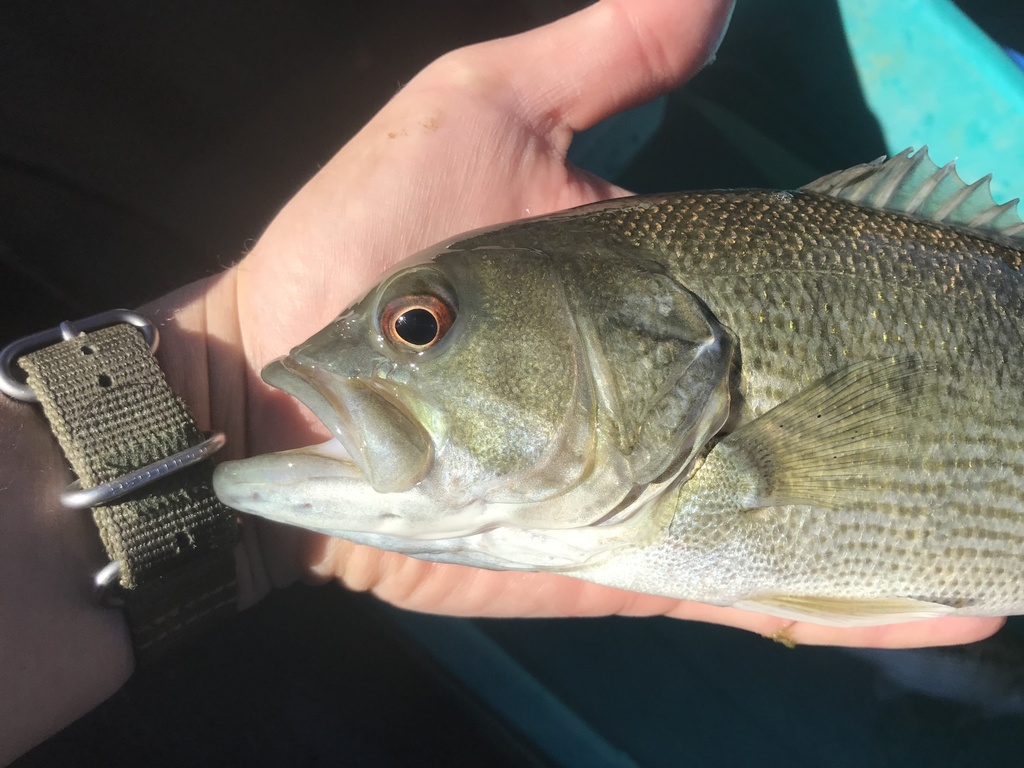
Guadalupe Bass
Cheek BD, Robertson SM, Bean MG, Bonner TH. 2018. Changing environmental gradients over forty years alter morphological differentiation in an endemic fish. PLoS ONE. 13(9):e0202931.
Fleming JP, Gelwick FP. 2019. The early life history of the Guadalupe bass: lessons for culturing a rare endemic species. N Am J Aquacult. 81(4):296–308.
Groeschel-Taylor JR, Miyazono S, Grabowski TB, Garrett GP. 2020. Growth and habitat use of Guadalupe Bass in the South Llano River, Texas. Journal of Fish and Wildlife Management. 11(1):33–45.
Perks HM, Fleming JP, Gelwick FP. 2011. Movement and microhabitat associations of Guadalupe bass in a central Texas river. N Am J Fish Manage. 31(1):111–119.
Texas Parks and Wildlife Department. c2026. Guadalupe bass (Micropterus treculii). Austin (TX): TPWD; [accessed 2026 Aug 12]. https://tpwd.texas.gov/huntwild/wild/species/gdb/
References

Photography
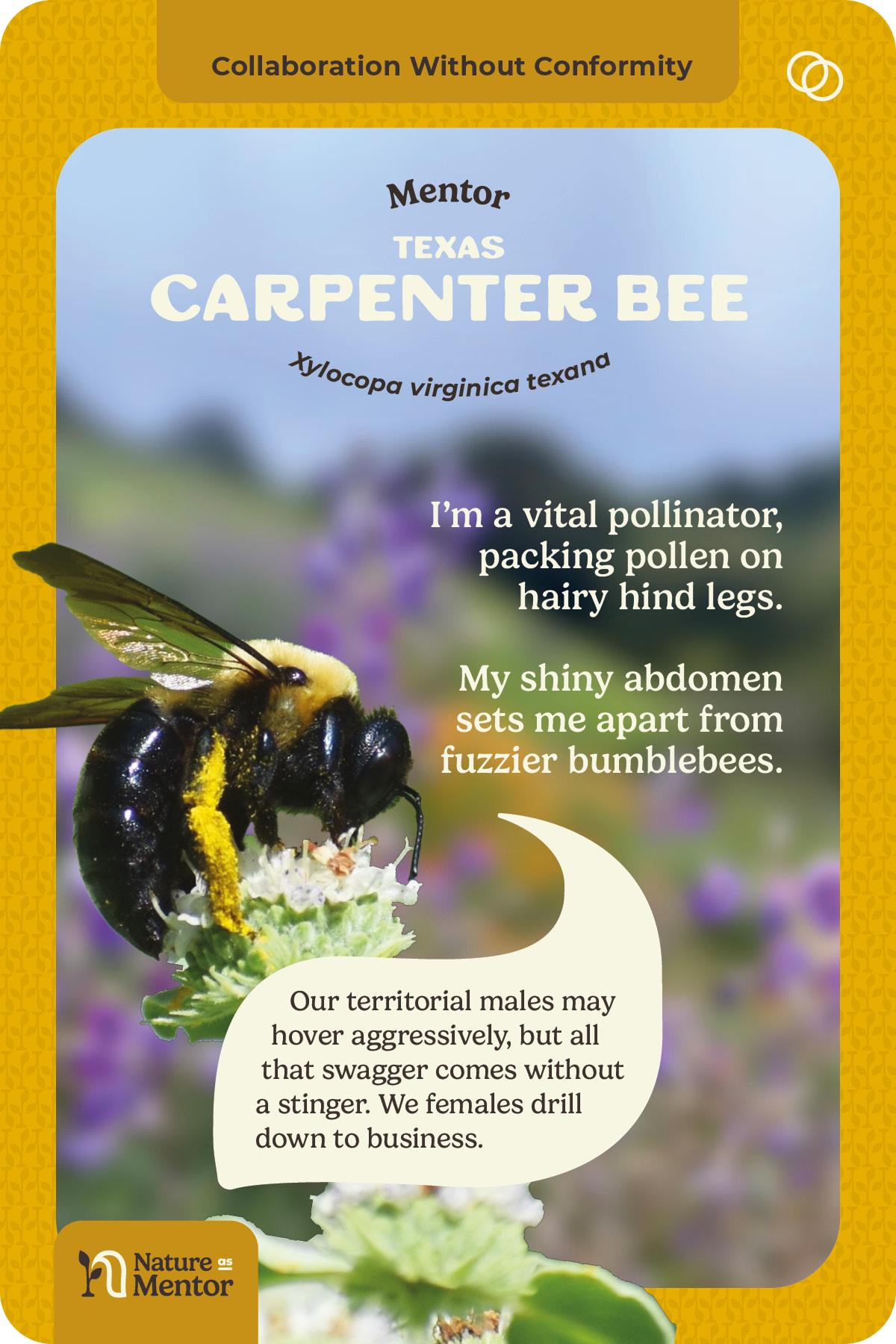
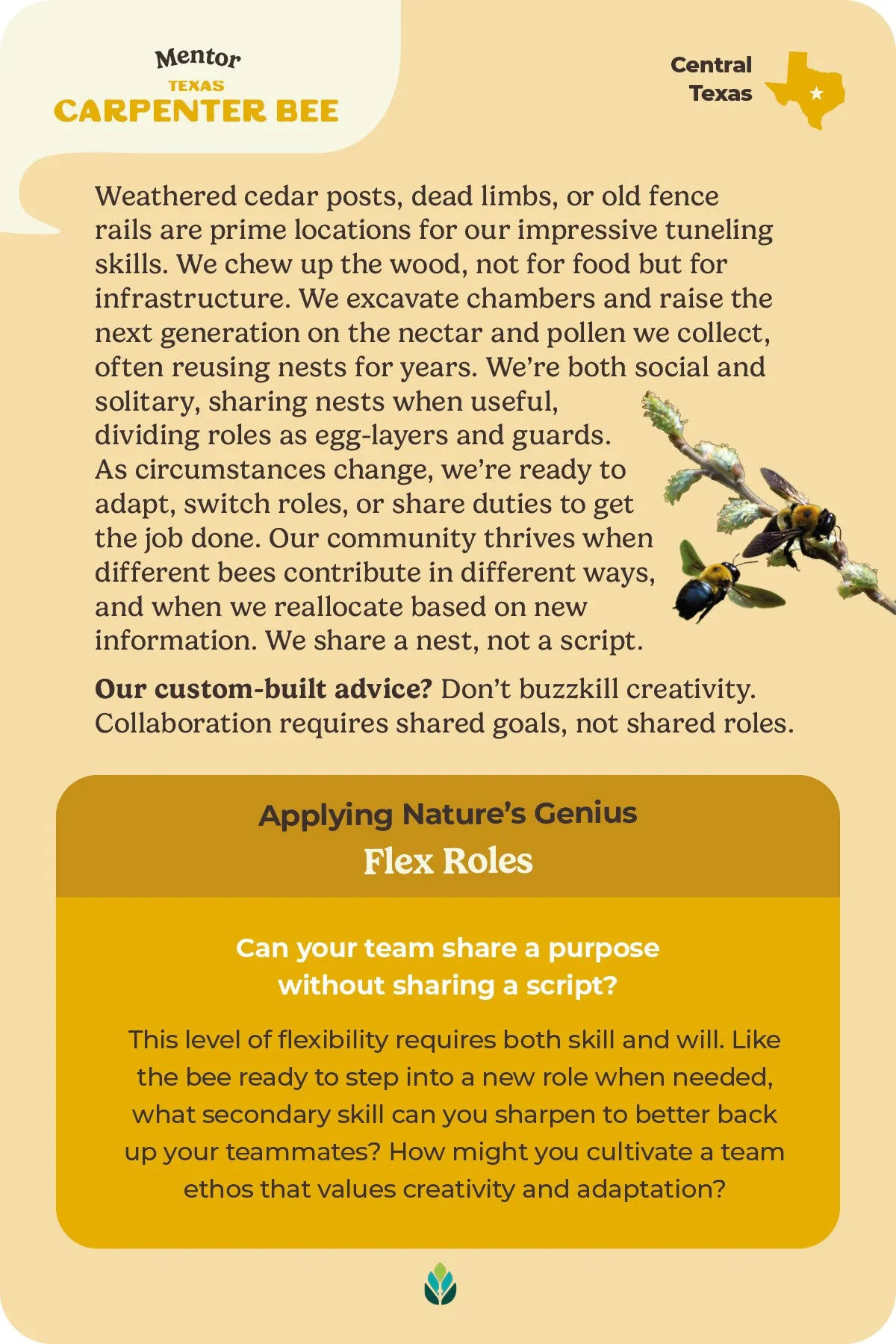
Texas Carpenter Bee
Gerling D, Velthuis HHW, Hefetz A. 1989. Bionomics of the large carpenter bees of the genus Xylocopa. Annu Rev Entomol. 34:163-190.
Richards MH. 1994. Social evolution in the genus Xylocopa: families of social versus solitary carpenter bees. In: Hunt JH, Nalepa CA, editors. Nourishment and evolution in insect societies. Boulder (CO): Westview Press. p. 461-489.
Vickruck JL, Richards MH. 2017. Nesting biology and social organization in eastern carpenter bees (Xylocopa virginica). In: Smith JA, editor. The biology of carpenter bees. San Diego (CA): Academic Press. p. 343-365.
References
Photography


Passion Flower Vine
Apple JL, Feener DH Jr. 2001. Ant visitation of extrafloral nectaries of Passiflora: the effects of nectary attributes and ant behavior on patterns in facultative ant-plant mutualisms. Oecologia. 127(3):409–416. doi:10.1007/s004420000605.
DiGiovanni M. 2022. Beyond the bloom: passion flower promotes ecological relationship [Internet]. Athens (GA): Warnell School of Forestry and Natural Resources, University of Georgia; [cited 2026 Jul 31]. Available from: https://warnell.uga.edu/news/stories/2022/beyond-bloom-passion-flower-promotes-ecological-relationship
Heil M. 2008. Indirect defence via tritrophic interactions. New Phytologist. 178(1):41-61.
Lady Bird Johnson Wildflower Center. [date unknown]. Passiflora incarnata L. (maypop, purple passionflower) [Internet]. Austin (TX): University of Texas at Austin; [cited 2026 Jul 31]. Available from: https://www.wildflower.org/plants/result.php?id_plant=PAIN6
Krosnick S. [date unknown]. Evolution of extrafloral nectaries in Passifloraceae [Internet]. Cookeville (TN): Tennessee Technological University; [cited 2026 Jul 31]. Available from: https://sites.tntech.edu/skrosnick/evolution-of-extrafloral-nectaries-in-passifloraceae/
Stevenson C. 2024. Weekly "What is it?": passionflower [Internet]. Gainesville (FL): University of Florida IFAS Extension; [cited 2026 Jul 31]. Available from: https://blogs.ifas.ufl.edu/escambiaco/2024/09/04/weekly-what-is-it-passionflower/
References
Photography
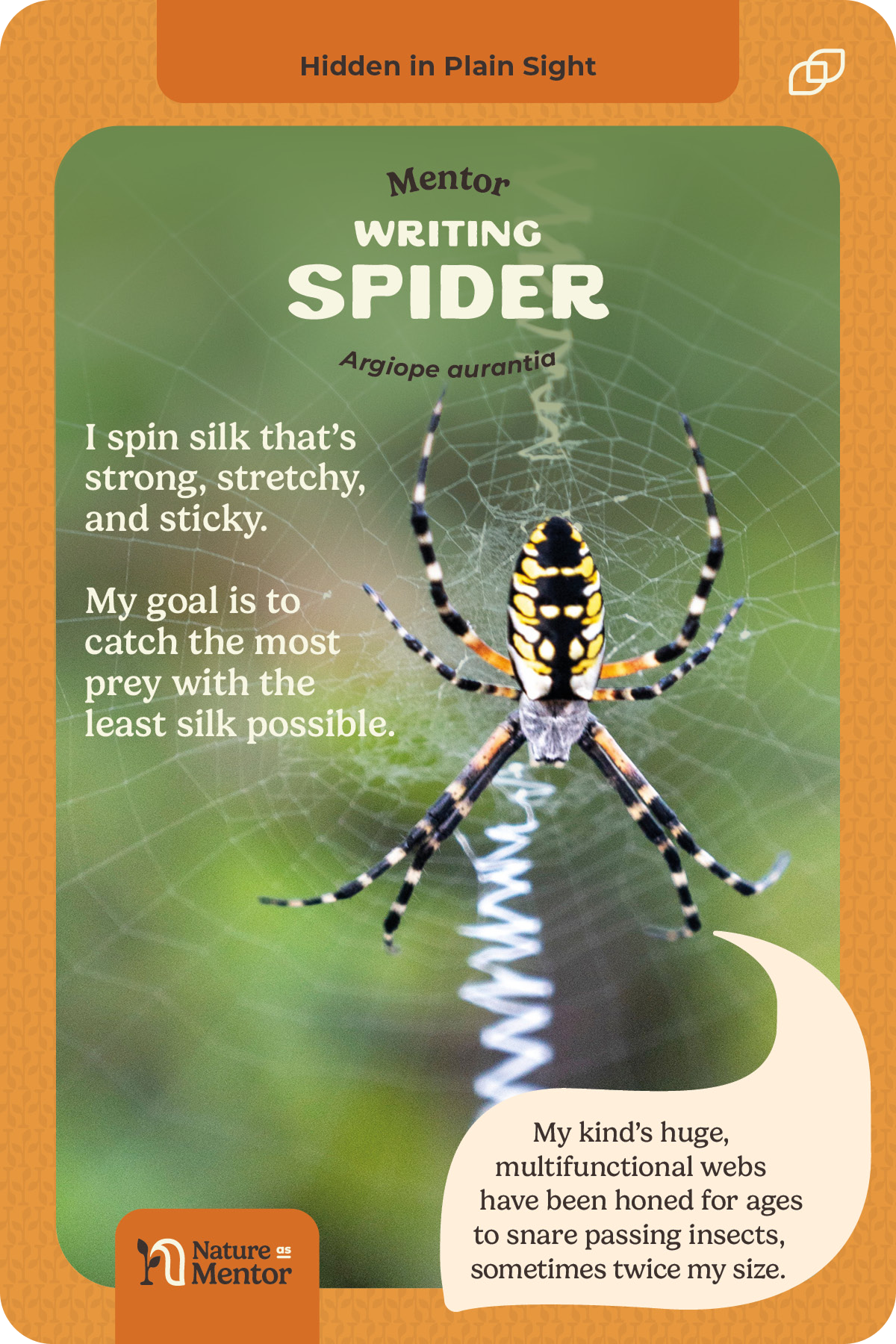
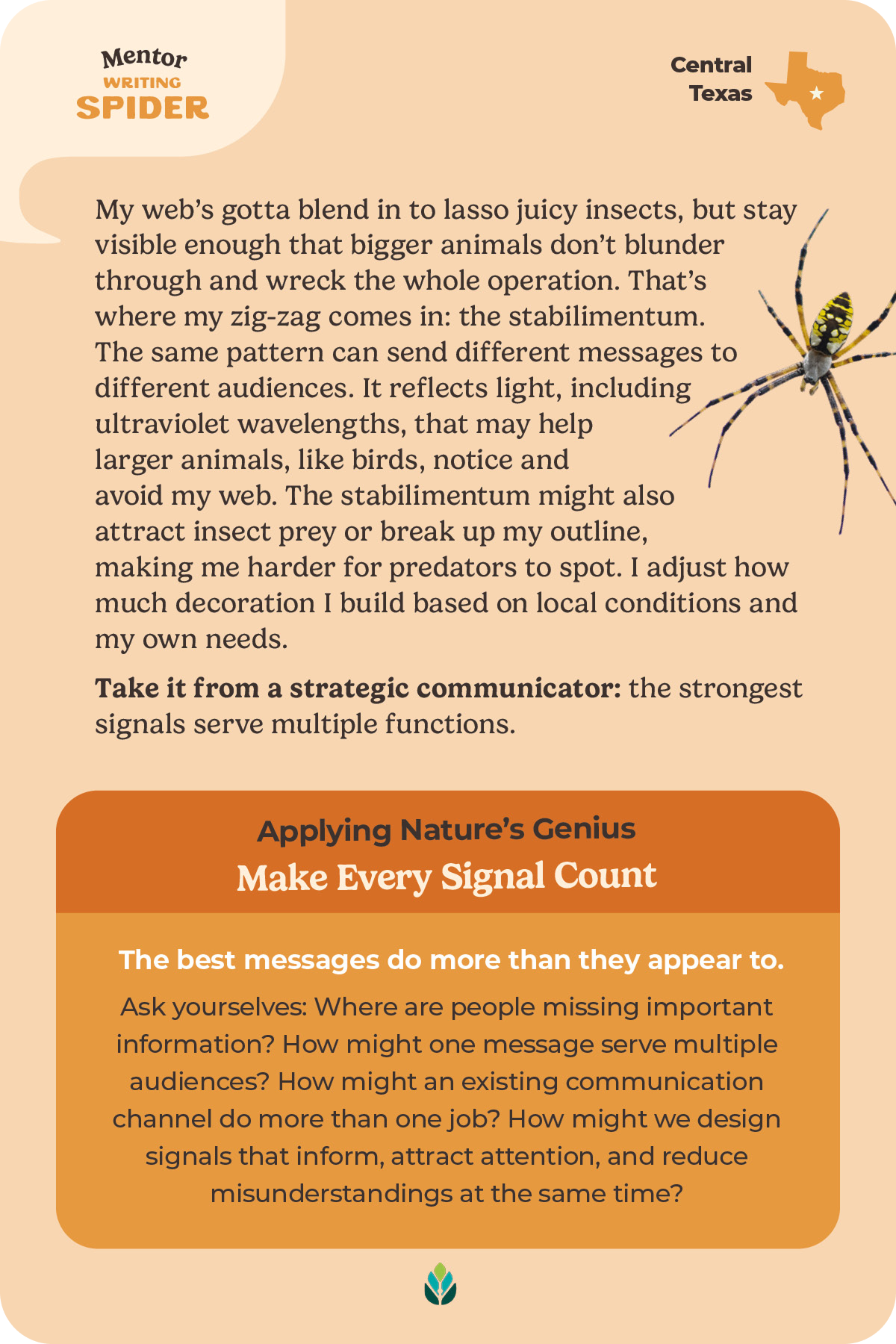
Writing Spider
Blackledge TA, Wenzel JW. 1999. Do stabilimenta in orb webs attract prey or defend spiders? Behavioral Ecology. 10(4):372–376.
Eisner T, Nowicki S. 1983. Spider web protection through visual advertisement: role of the stabilimentum. Science. 219(4581):185–187.
Horton CC. 1980. A defensive function for the stabilimenta of two orb weaving spiders (Araneae, Araneidae). Psyche: A Journal of Entomology. 87(1–2):13–20.
Nyffeler M, Dean DA, Sterling WL. 1987. Feeding ecology of the orb-weaving spider Argiope aurantia [Araneae: Araneidae] in a cotton agroecosystem. Entomophaga. 32(4):367–375.
References
Photography
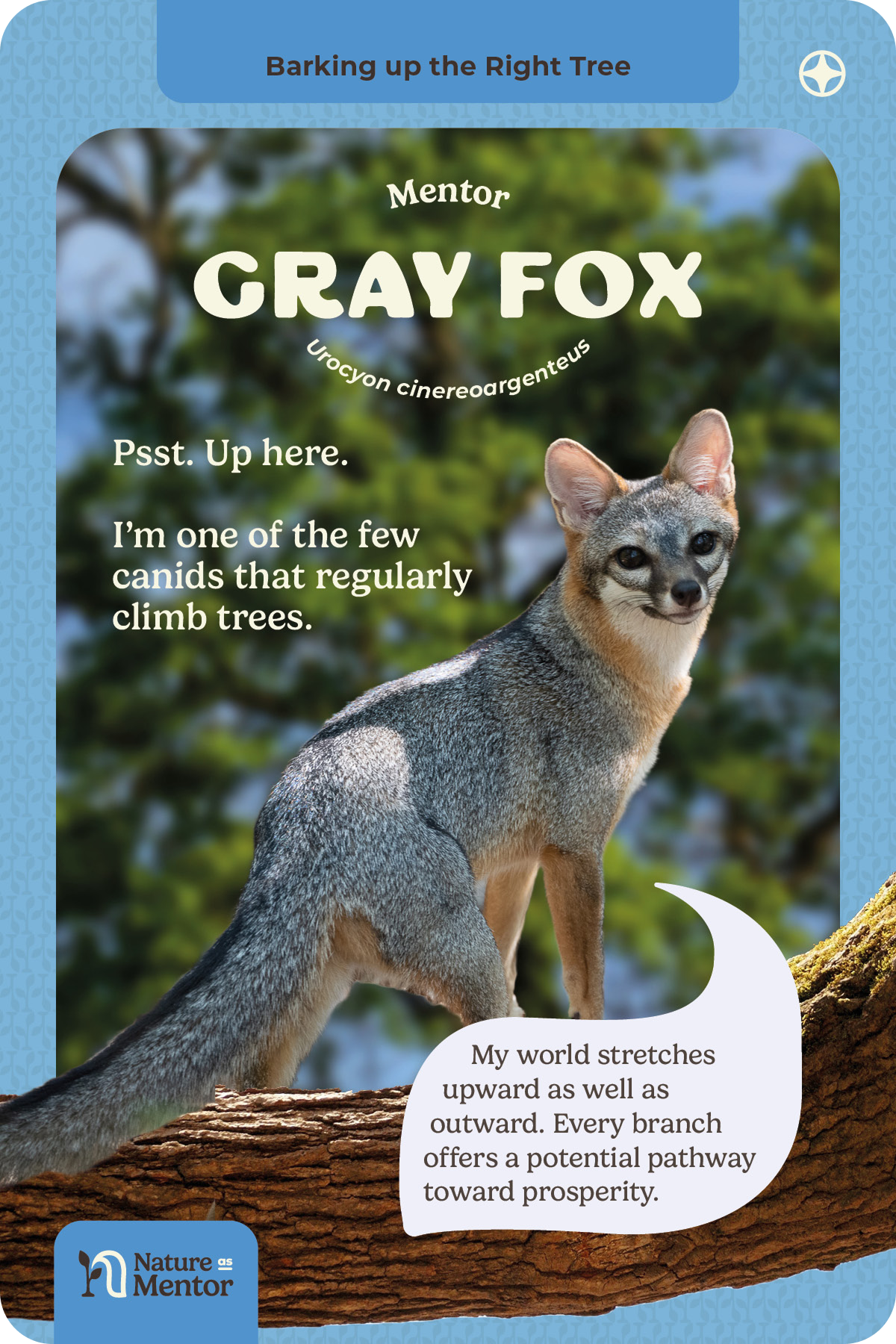
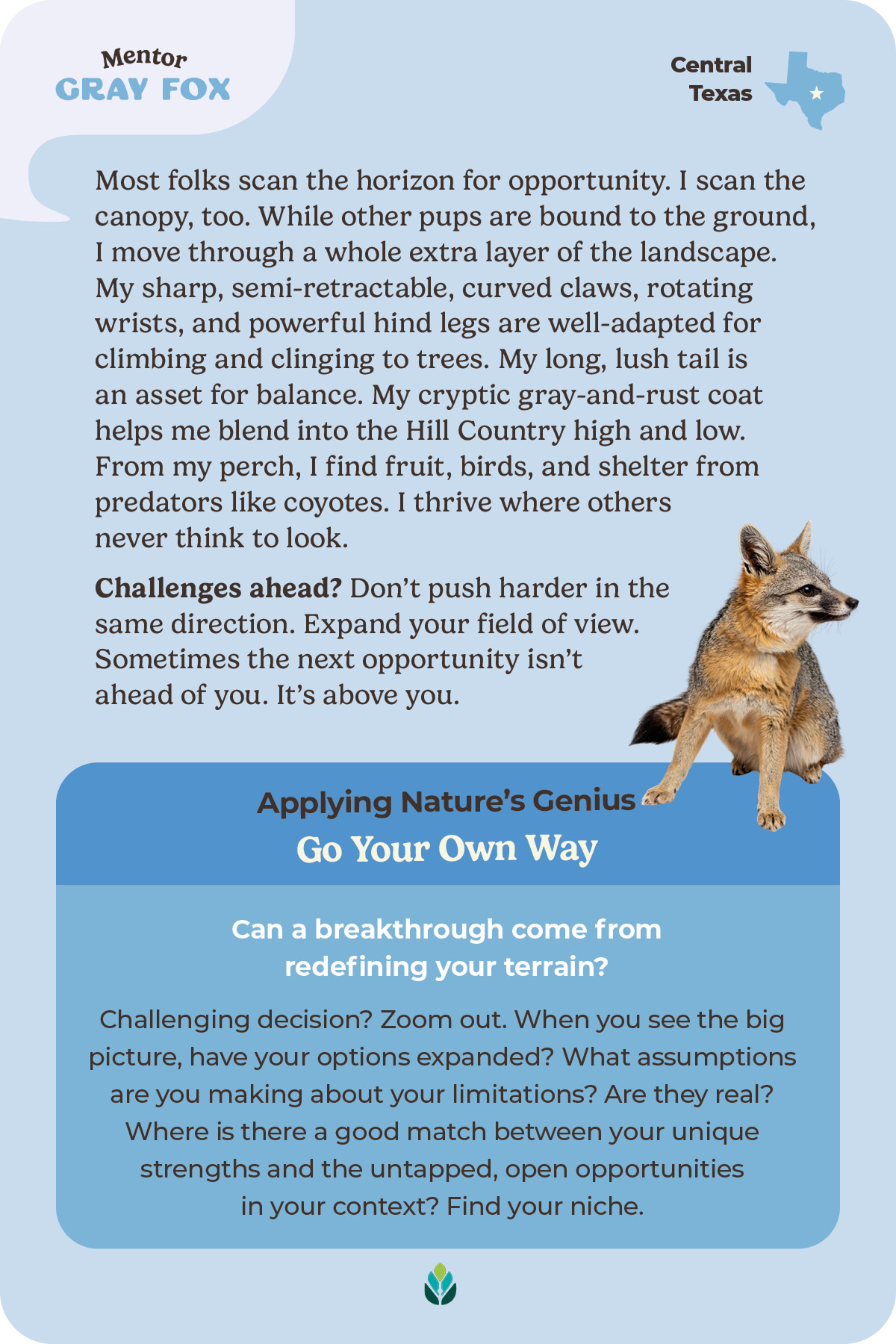
Gray Fox
Antoniazzi R, Velasquez-C K, Menzel ER, Stage D, Hughes K, Andrade-Ponce G. 2026.
Climbing the urban canopy: camera trap insights into mammal activity and habitat use. Wildlife Society Bulletin. 50(1):e70013.
Castelló JR. 2018. Canids of the World: Wolves, Wild Dogs, Foxes, Jackals, Coyotes, and Their Relatives. Princeton (NJ): Princeton University Press.
Davis WB, Schmidly DJ. 1994. Common gray fox (Urocyon cinereoargenteus). The Mammals of Texas Online Edition. Texas Tech University. Available from: https://www.depts.ttu.edu/nsrl/mammals-of-texas-online-edition/Accounts_Carnivora/Urocyon_cinereoargenteus.php
Fritzell EK, Haroldson KJ. 1982. Urocyon cinereoargenteus. Mammalian Species. 189:1-8.
Terres JK. 1939. Tree-climbing technique of a gray fox. Journal of Mammalogy. 20(2):256.
Trapp GR, Hallberg DL. 1975. Ecology of the gray fox (Urocyon cinereoargenteus):
22 a review. In: Fox MW, editor. The Wild Canids. New York (NY): 23 Van Nostrand Reinhold. p. 164-178.
References
Photography
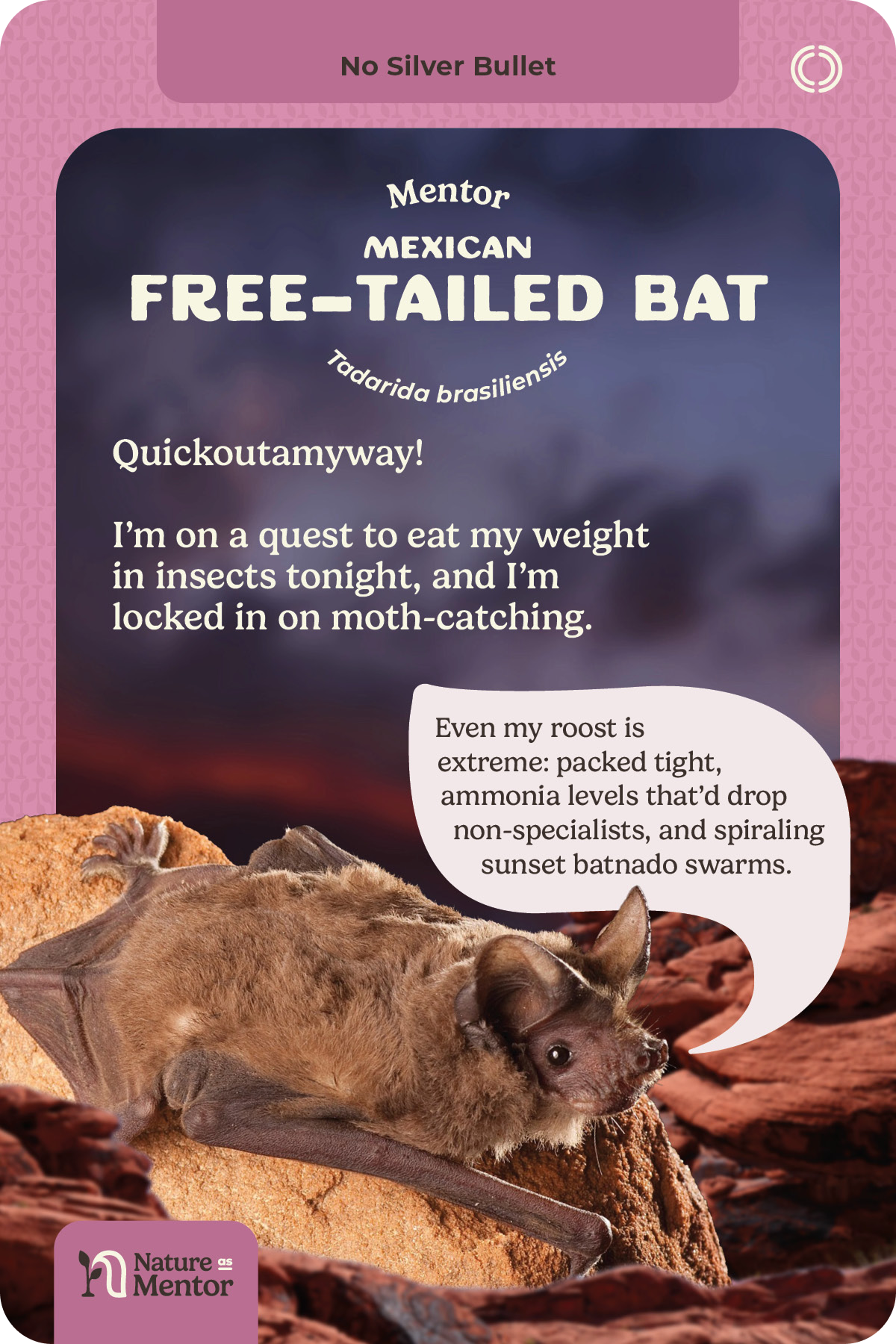
Mexican Free-Tailed Bat
Corcoran AJ, Conner WE. 2014. Bats jamming bats: food competition through sonar interference. Science. 346(6210):745–747.
McCracken GF, Gillam EH, Westbrook JK, Yaeger YA, Kunz TH. 2008. Central place foraging by Brazilian free-tailed bats (Tadarida brasiliensis) at high altitudes. Journal of Mammalogy. 89(1):68–74.
McCracken GF, Kamran K, Simmons NB, Gati RE, Taylor CR, Hedrick TL, Winhold BD, Kunz TH, Williams TC, Swartz SM, et al. 2016. Airplane tracking documents the fastest flight speeds recorded for bats. Royal Society Open Science. 3(11):160398.
Norberg UM, Rayner JMV. 1987. Ecological morphology and flight in bats (Mammalia; Chiroptera): wing adaptations, flight performance, foraging strategy and echolocation. Philosophical Transactions of the Royal Society of London. Series B, Biological Sciences. 316(1179):335–427.
Simmons JA, Fenton MB, O'Farrell MJ. 1979. Echolocation and pursuit of prey by bats. Science. 203(4375):16–21.
Sterbing-D'Angelo S, Chadha M, Chiu C, Falk B, Xian W, Barcelo J, Zook JM, Moss CF. 2011. Bat wing sensors support flight control. Proceedings of the National Academy of Sciences. 108(27):11291–11296.
Studier EH, Beck LR, Lindeborg RG. 1967. Tolerance and initial metabolic response to ammonia intoxication in selected bats and rodents. Journal of Mammalogy 48(4):564–572
Vaughan TA. 1966. Morphology and flight characteristics of molossid bats. Journal of Mammalogy. 47(2):249–260
References
Photography