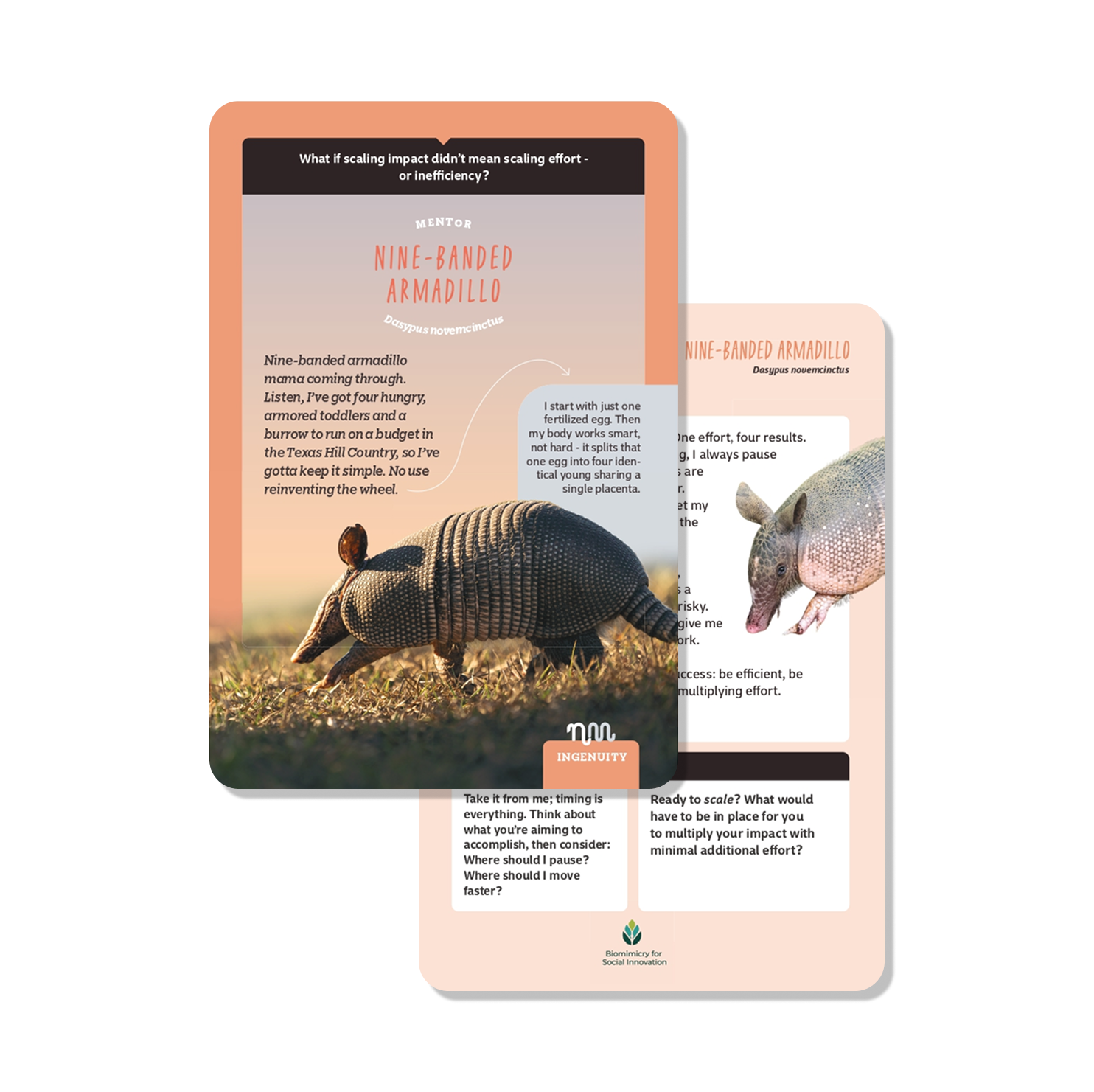
Nature as Mentor
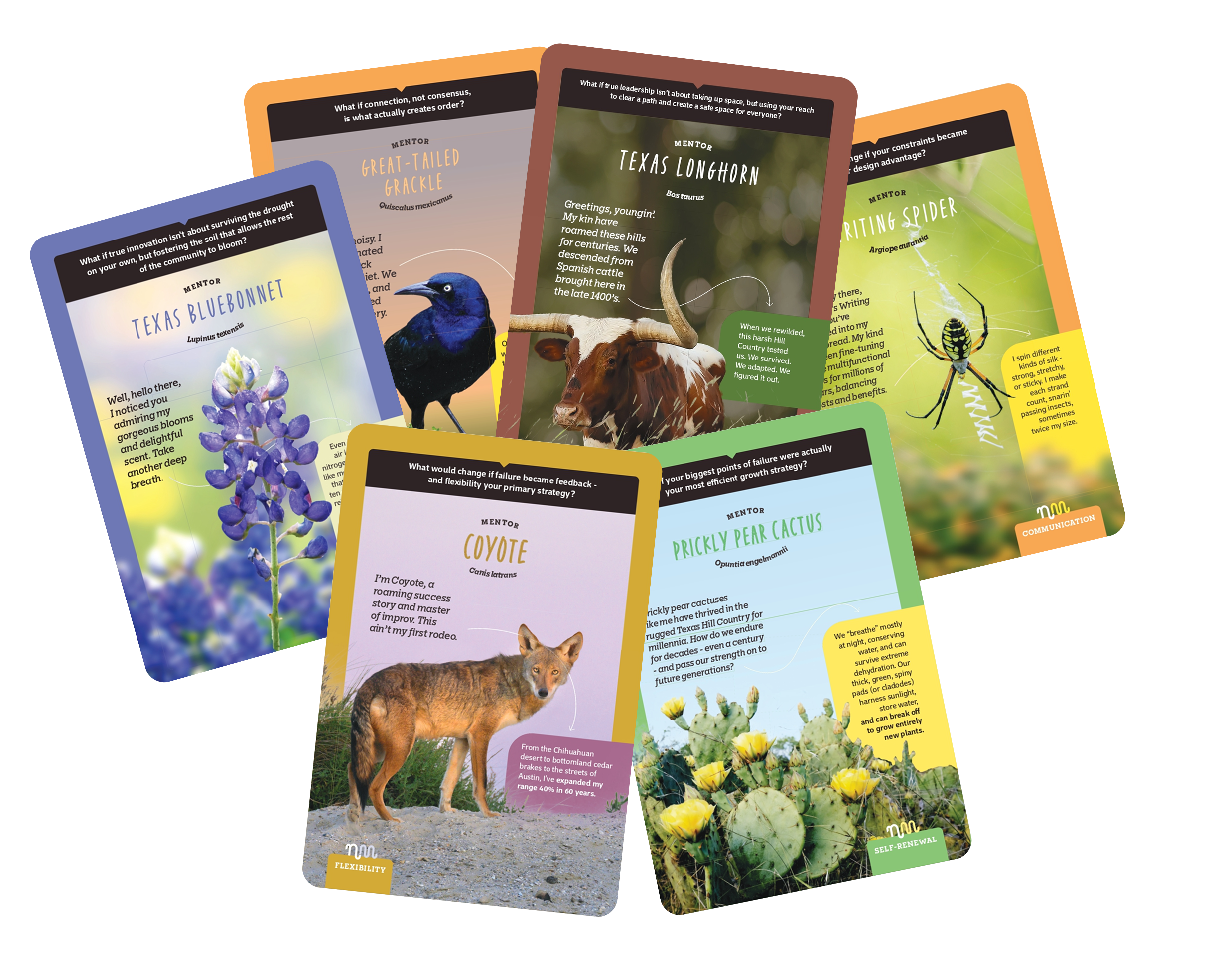
A place-based educational tool intended to spark connection, inspiration, curiosity, and a sense of reverence as you see the “ordinary” around you with new eyes.
Nature as Mentor invites you to reconnect with the remarkable organisms and ecosystems that surround you—not simply to identify them, but to learn from them. Each card reveals the well-adapted strategies, relationships, and living patterns that local species have refined over millions of years, then translates those insights into practical wisdom for human systems.
From leadership and resilience to trust, collaboration, communication, and decision-making, discover how the natural world can become one of our greatest teachers.
What will you discover when you shift from learning about nature to learning from nature?
Meet Your Wild Mentors
Nature as Mentor was born in the Texas Hill Country through a collaboration with Shield Ranch and the Shield-Ayres Foundation, along with an extraordinary community of ecologists, educators, creatives, and biomimicry practitioners. Together, we convened a two-day community design charrette to explore the organisms, stories, and ecological patterns that make this region unique—and how they might inspire deeper connection between people and place.
The Central Texas edition is currently being piloted with educators, parks, and community partners, with a public launch planned for October 2026. While this inaugural deck celebrates the wisdom of the Texas Hill Country, the Nature as Mentor framework was intentionally designed to be replicated. We look forward to partnering with organizations and communities around the world to create place-based decks that reflect the unique species, ecosystems, and ecological wisdom of their own regions.
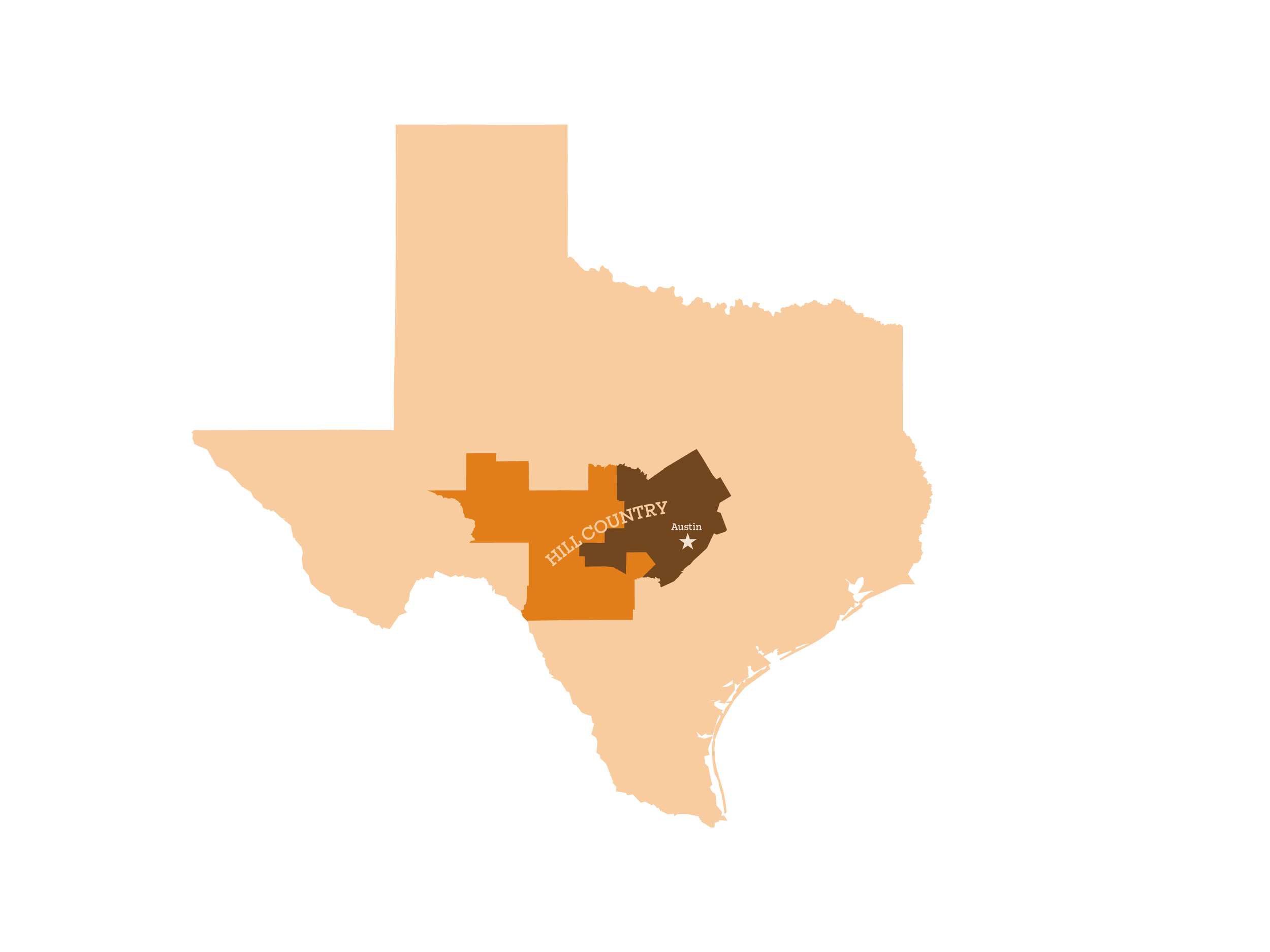
Inspired by Place, Designed for Anywhere