
Indigenous Mycelium
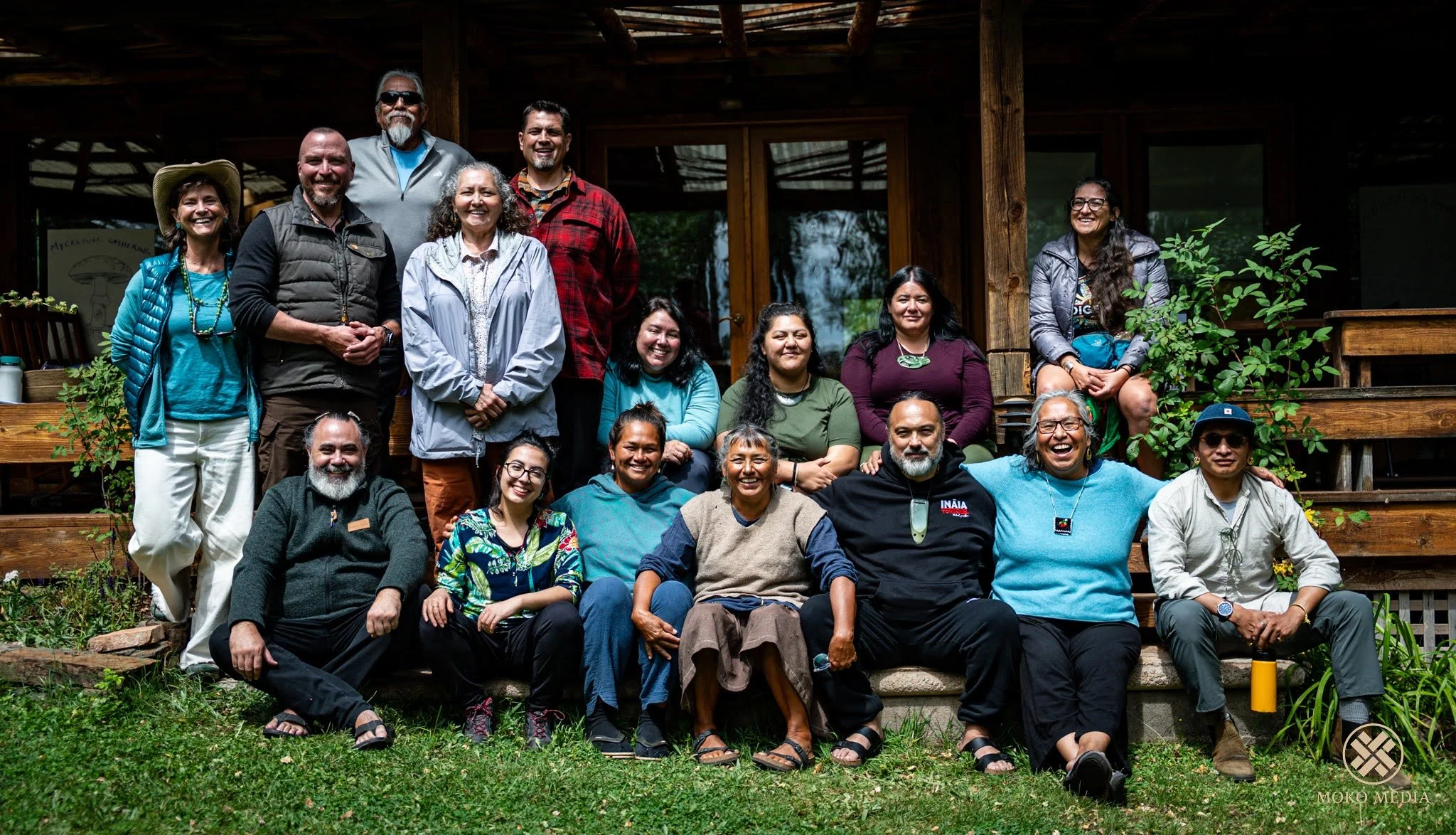
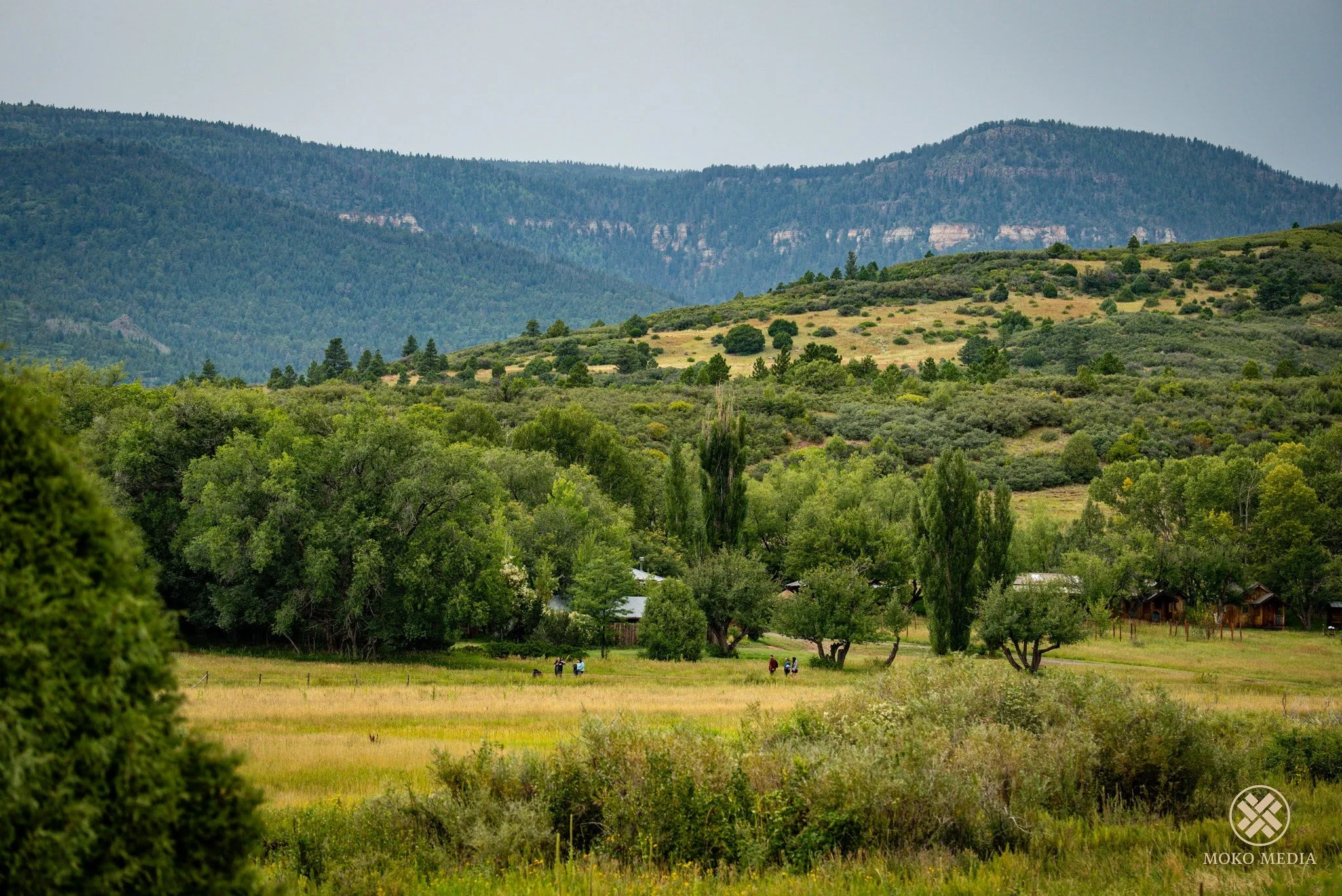
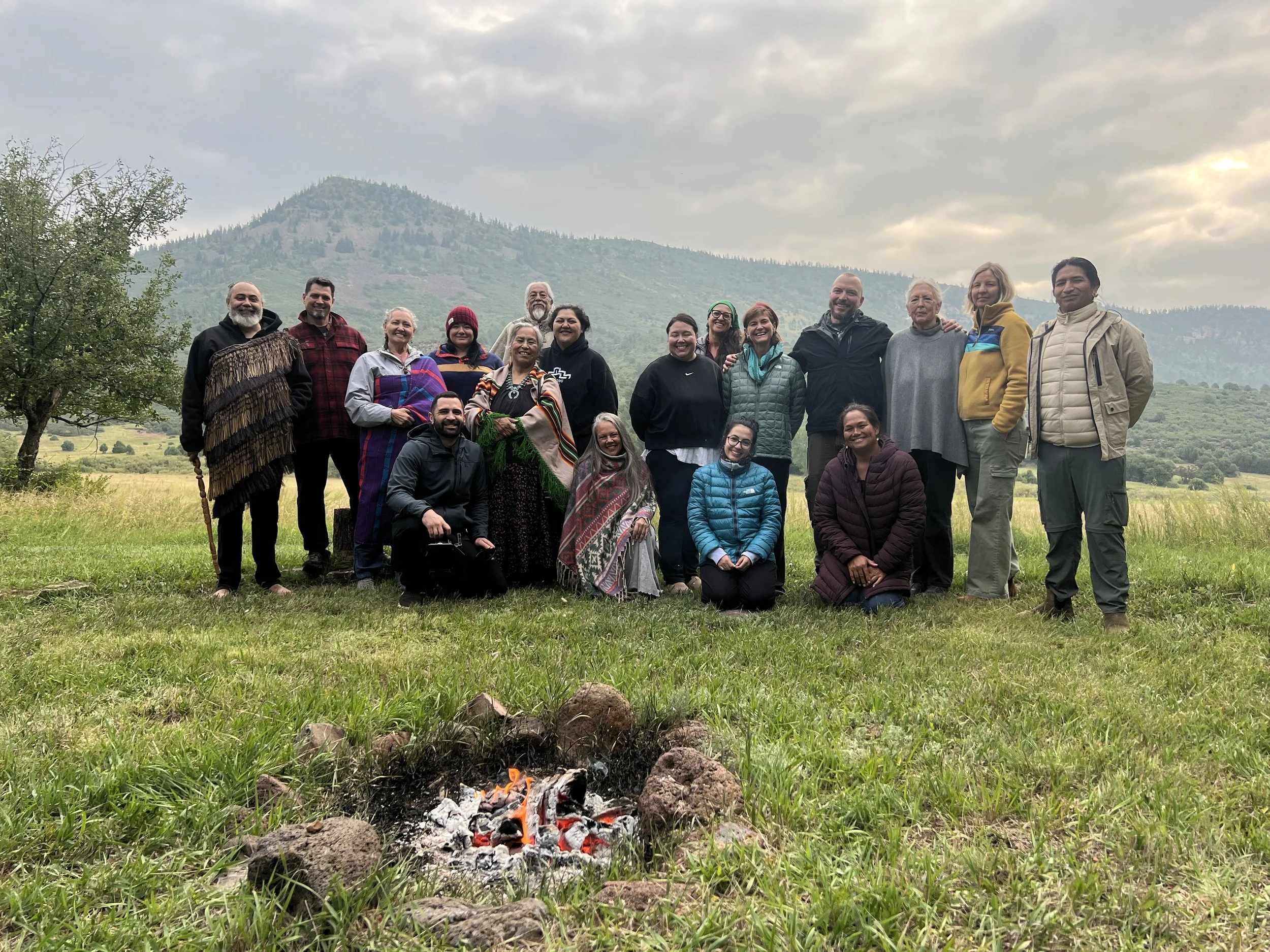
In September 2025, Biomimicry for Social Innovation (BSI), Māori leaders of Te Matakupenga (TM), and the Biomimicry Center (TBC) at Arizona State University (ASU) collaborated to organize the Indigenous Mycelium Gathering in New Mexico. The Indigenous Mycelium Gathering was held at the Ocamora Retreat Center in New Mexico, hosted by Toby Herzlich (BSI), Sara El-Sayed (TBC), Melissa Nelson (ASU, an enrolled member of the Turtle Mountain Band of Chippewa Indians) Marcus Akuhata-Brown and Renee Smith (TM). The gathering brought together 20 Indigenous people from a diverse range of communities and cultural backgrounds, including Māori, Oneida, Anishinaabe, Cree, Métis, Mohawk, Eastern Shoshone, Houma, Dine', Kauai Hawaiian, and Pueblo leaders from Tesuque Pueblo, Santa Clara, Kara::Kichwa from the Andes/Amazon, alongside biomimicry researchers, educators, and practitioners representing Egypt, Colombia, Slovenia, Ireland, and Costa Rica.
Indigenous Mycelium Gathering
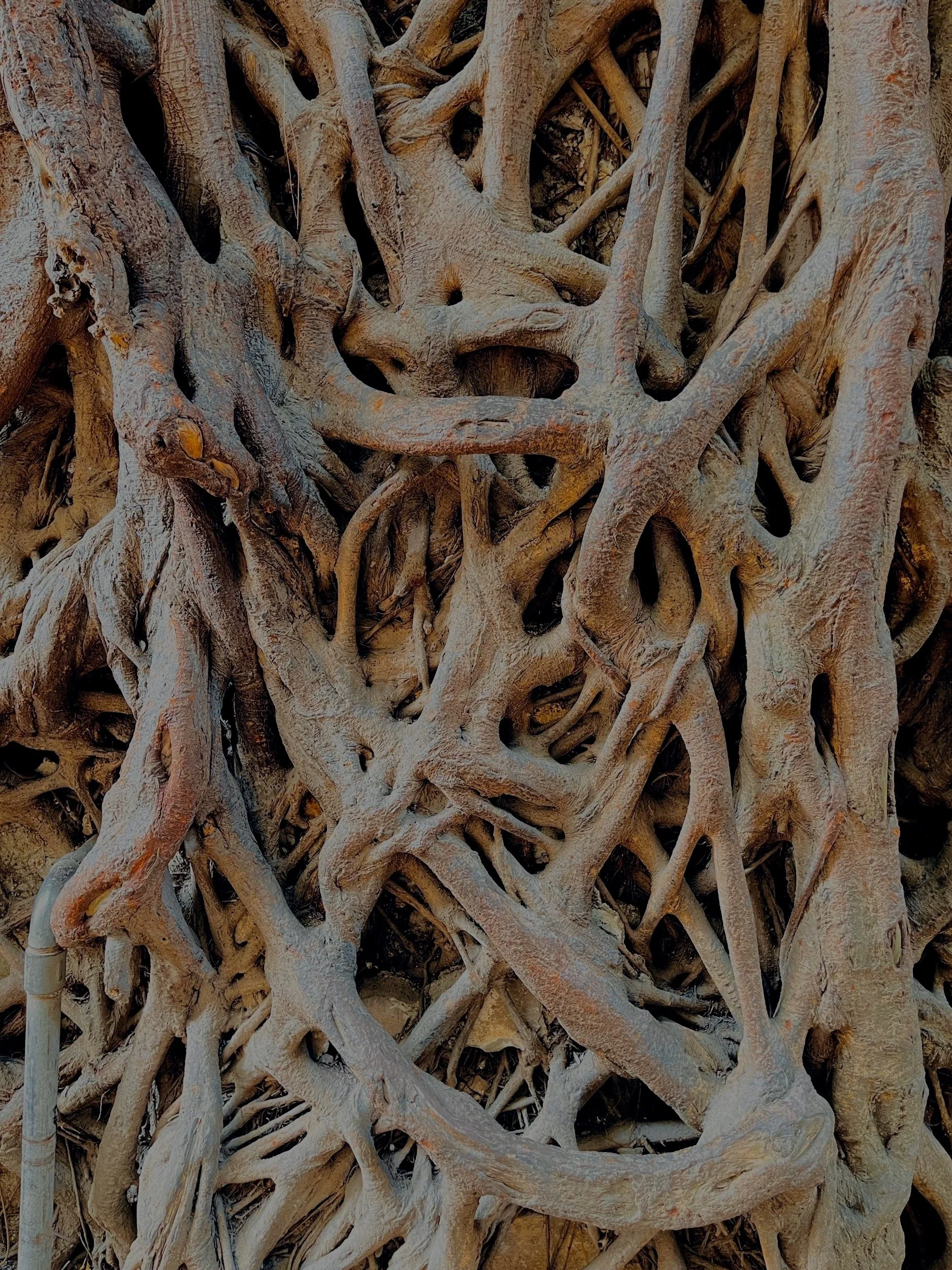
Fungi and Mycelium as a Metaphor
The concept of using fungi and mycelium as a metaphor arose from the Indigenous participants’ profound interest in understanding the deep natural principles of these organisms and how we shape our relationship to these ancestors. Their primary goal was to explore how these biological laws operate in depth and how they might inform processes of cultural preservation, community building, and knowledge exchange. The discussion emphasized that biomimicry is another complementary tool in this exploration, capable of dialoguing with Indigenous thought without claiming to hold ultimate authority or truth.
This approach enabled participants to identify both points of convergence and divergence between Indigenous ways of understanding nature and biomimicry science methodologies. The metaphor of the fungus also highlighted how collaboration and multiple perspectives can coexist, showing shared interests in observing, learning from, and applying natural principles, while also respecting the unique philosophical frameworks of each knowledge system.
Connection to Land and People
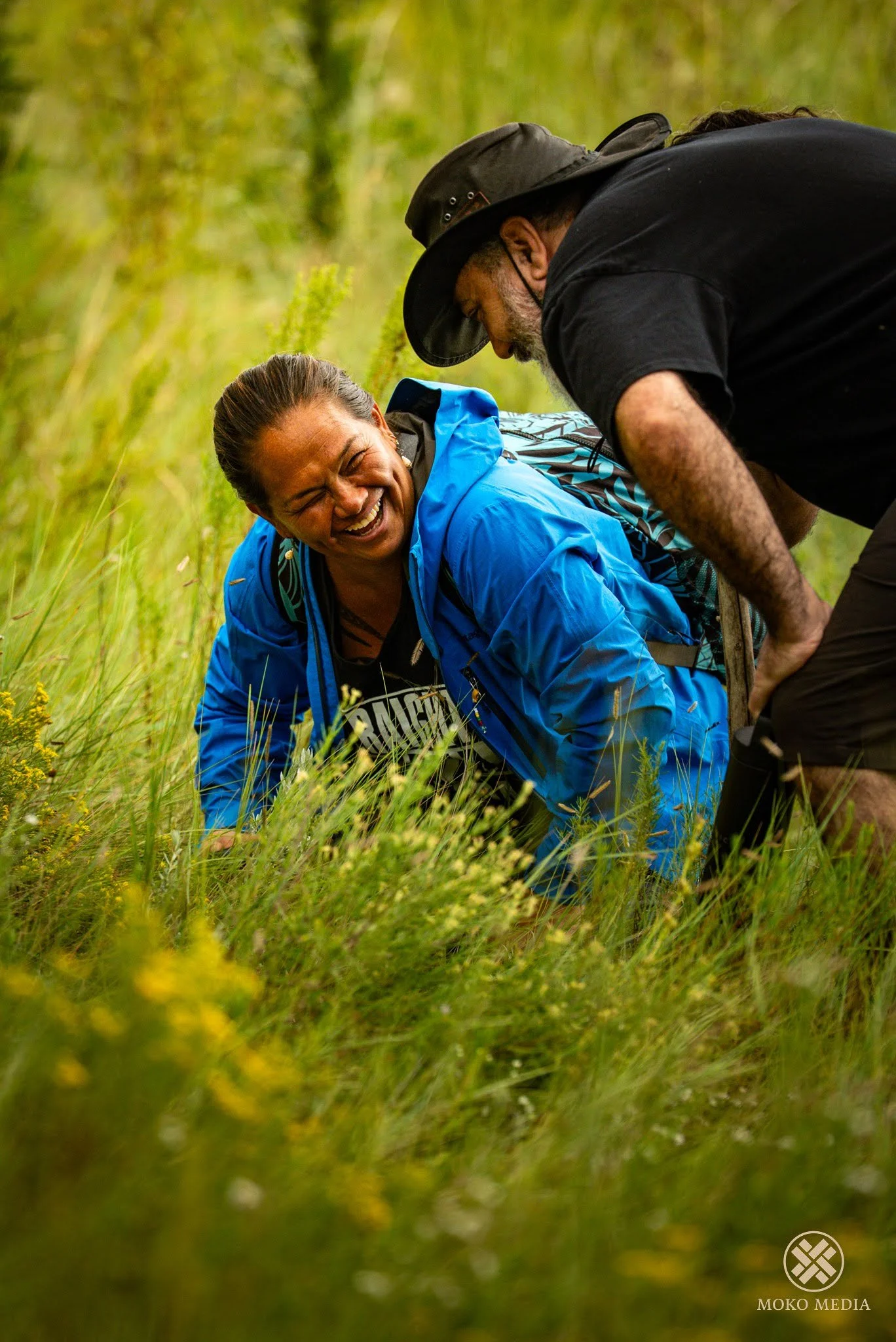
A central theme of the gathering was the participants’ relationship with the land, their territories, and communities. Indigenous leaders emphasized that nature is a relational system imbued with identity. This perspective challenges conventional approaches that treat nature as separate from human life, underscoring the importance of developing a consciousness of interconnection and respect. Engaging with the land in this way fosters meaningful dialogue with natural systems, encouraging coexistence rather than extraction.
The gathering invited participants to reflect on whether the goal is solely to gain information from nature, or whether it is also to reconnect, engage ethically, and maintain a reciprocal relationship with the environment. There was an emphasis on the importance of not speaking about nature but through our relational practices speaking to nature as a relative.
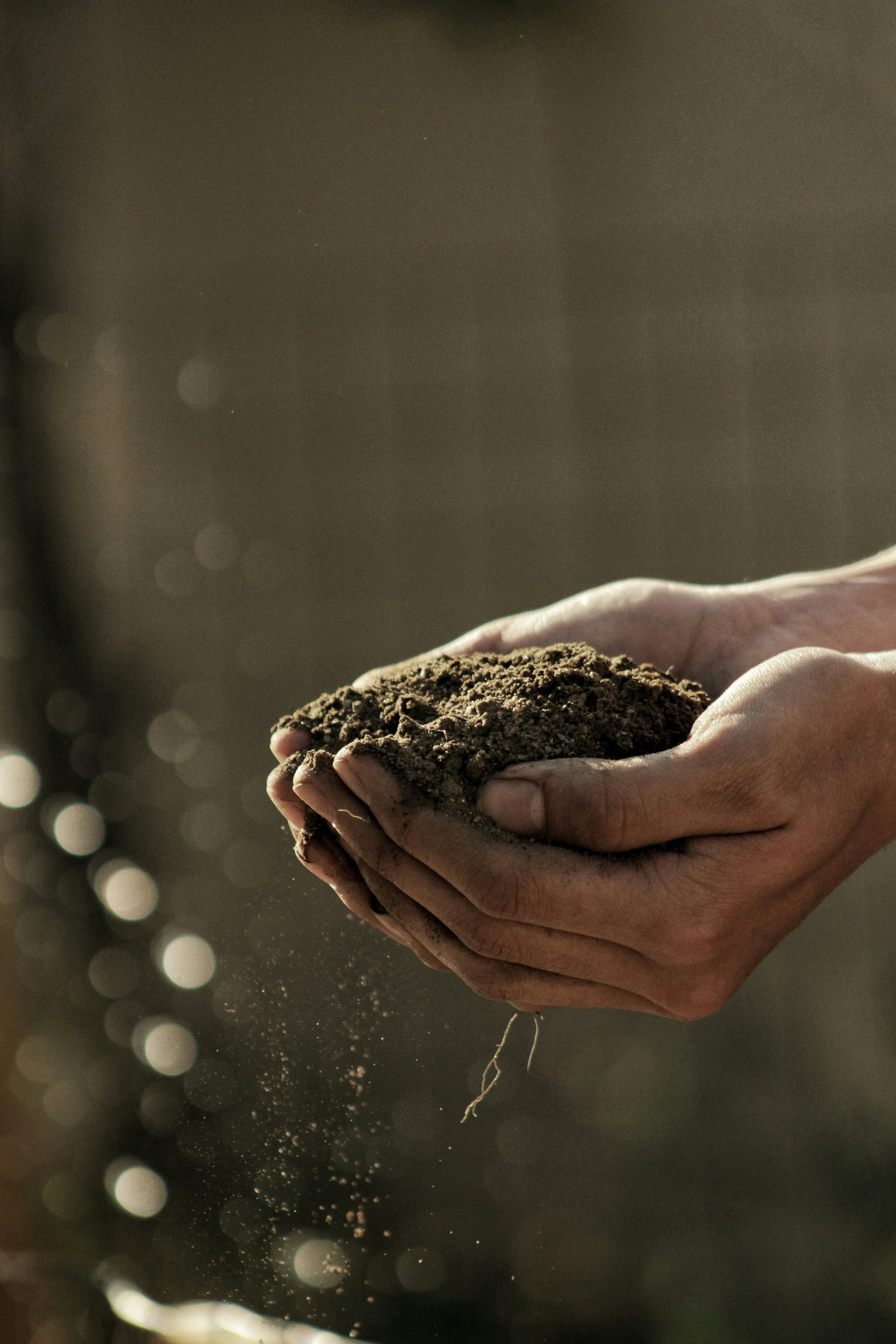
Composting & Decomposting
The concept of “composting and decomposing” emerged as both a literal and symbolic principle. Participants discussed how natural processes of decomposition, transformation, and regeneration can inspire approaches to human systems and community practices. This principle emphasizes abundance, collective well-being, and reciprocity, illustrating how ethical and regenerative actions foster mutually beneficial relationships including the concepts of "never forget", "lineage","the separation", “growing.”, “nurturing” and “not- knowing”. In this sense, the metaphor of composting extends beyond the ecological to the social and cultural, framing regeneration as a holistic practice that integrates the health of the land with the vitality of communities.
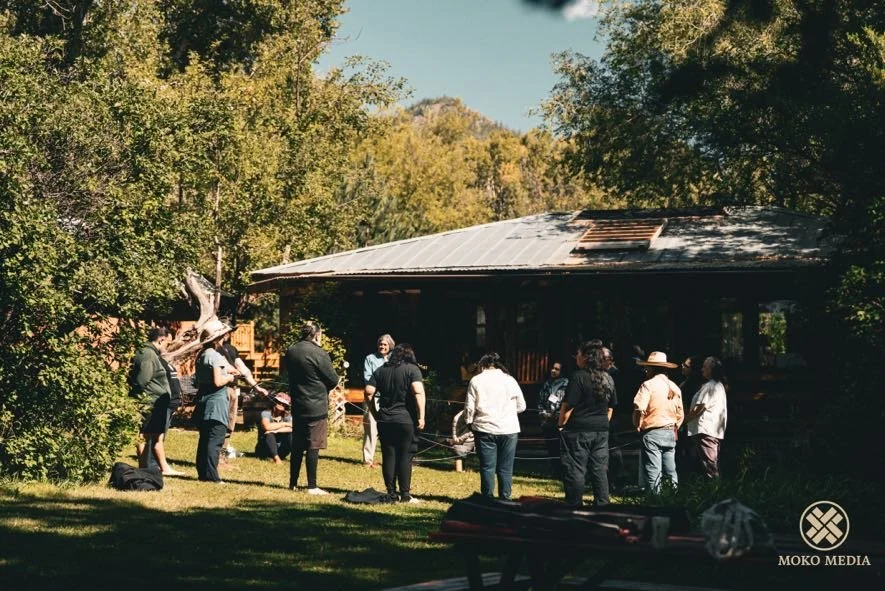
Indigenizing Science
A significant discussion point centered on the role of science in relation to Indigenous knowledge. Participants reflected on how and to what extent scientific methodologies should engage with Indigenous epistemologies or not. Care must be taken to avoid the appropriation or imposition of scientific frameworks in ways that misrepresent or override Indigenous systems of knowledge and understanding. Indigenous knowledge already embodies sophisticated methods for understanding natural processes, and biomimicry should be treated as one complementary tool rather than a primary lens. This reflection emphasizes the importance of ethical engagement and conscious collaboration, acknowledging that Indigenous knowledge is fully capable of generating insights into life and ecological systems independently of Western science.
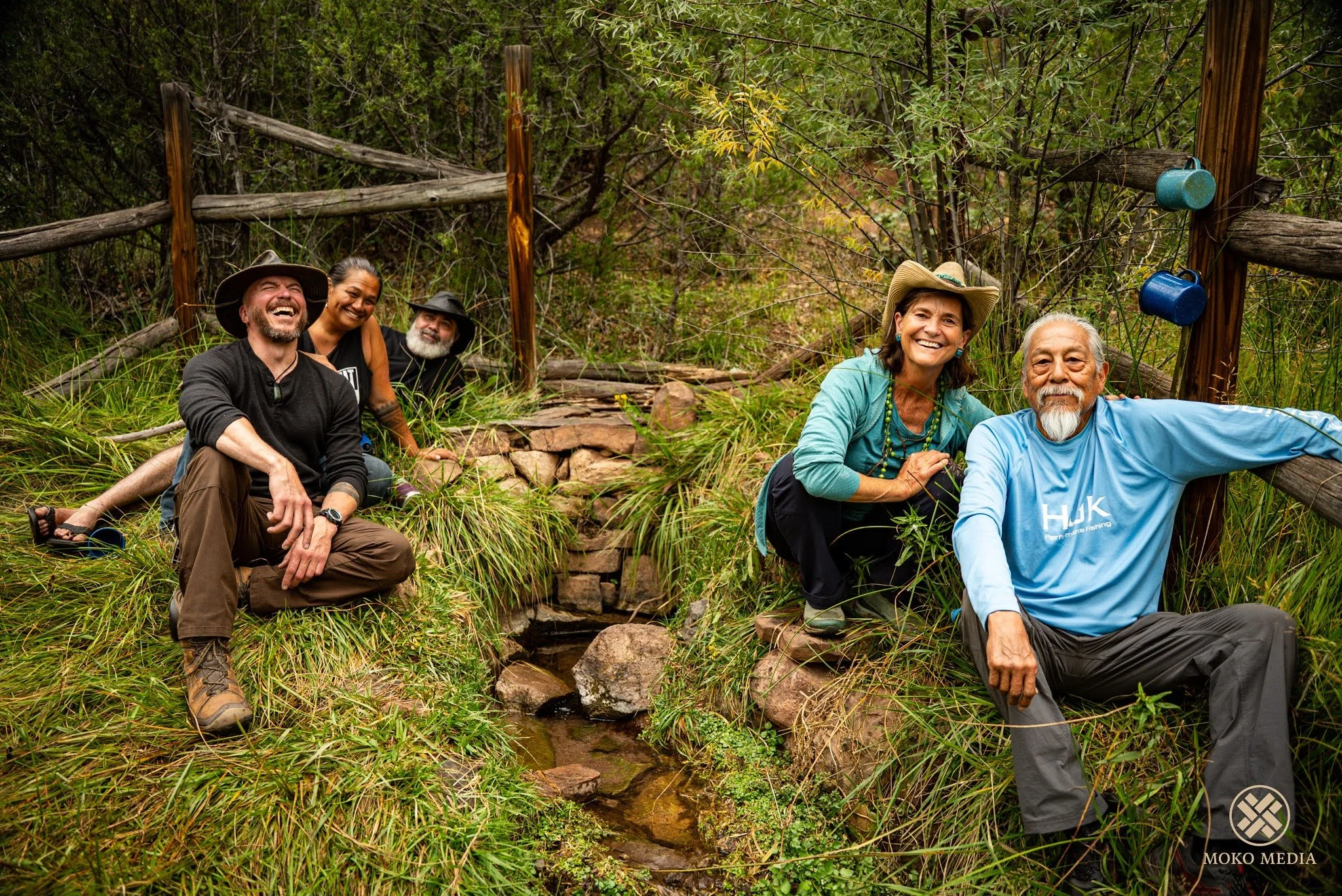
Ethics, Bioharmony, and the Need for a “Third Space“
Ethics and the concept of bioharmony were central, although often discussed in a limited way in biomimicry discourse. Participants emphasized the need to align innovation with a deep sense of responsibility toward the Earth. The gathering raised questions about how knowledge can be shared without exploitation and how actions can contribute to a greater global good. A “third space” now appears and is proposed as a conceptual framework, co-created through the intersection of biomimicry and Indigenous knowledge, where ethical collaboration can occur without subordinating one system to the other. The idea of creating a “third thing” was introduced: a new space that is neither science nor tradition alone, but an emergent, hybrid weave. This space enables a global-scale impact while upholding ethical integrity and respect for ecological and cultural systems.
The concept of the Omnibeneficient Human Presenceemphasizes the role of humans as contributors to the balanceand well-being of the systems they inhabit. The Function of Balance refers to the ongoing process of maintaining harmony between human activity, ecological systems, and cultural knowledge. In this gathering it was encouraged to act with awareness and reciprocity, recognizing that balance is achieved not through control but through relationship, care, and adaptation, reflecting on how human presence can become a regenerative force, one that supports rather than disrupts the equilibrium of both natural and social ecosystems.
The Omnibeneficient Human Presence and The Function of Balance
Guiding Intercultural, Interdisciplinary, and Intergenerational Gatherings
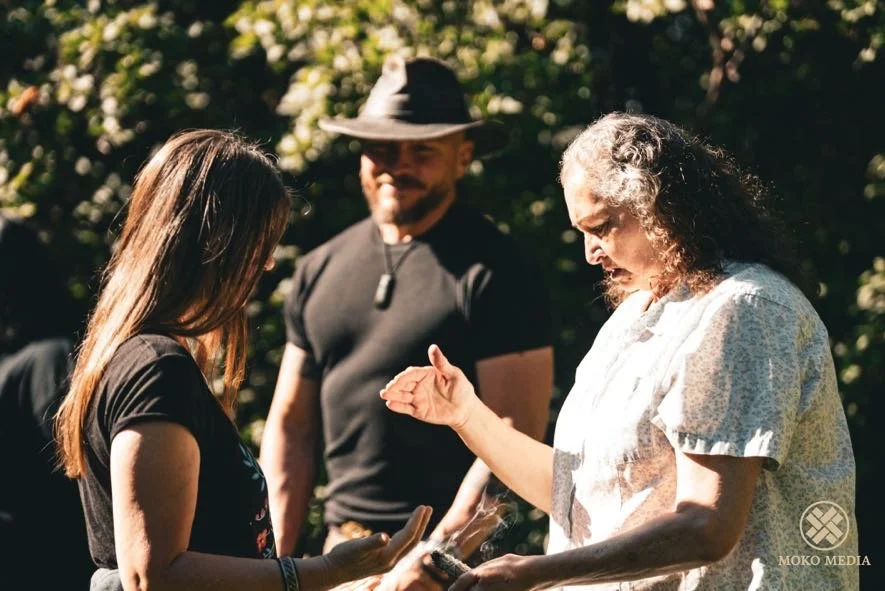
In intercultural, interdisciplinary, and intergenerational spaces like the Mycelium Gathering, these dialogues prove invaluable, fostering the exchange of knowledge, perspectives, and lived experiences across diverse contexts. Facilitation should guide conversations in a way that allows emergent insights, meaningful dialogue, and co-creation to flourish. The emphasis is on attentive listening, recognizing shared interests, and understanding collective needs, ensures that the richness of multiple perspectives contributes to deeper learning and connection.
This approach ensures that participants contribute their expertise and experiences in a way that enriches the collective learning of the group, allowing the dynamics of the gathering to remain flexible and creating space for spontaneous dialogue where unexpected and meaningful conversations can emerge.
Future Actions and Potential Connections
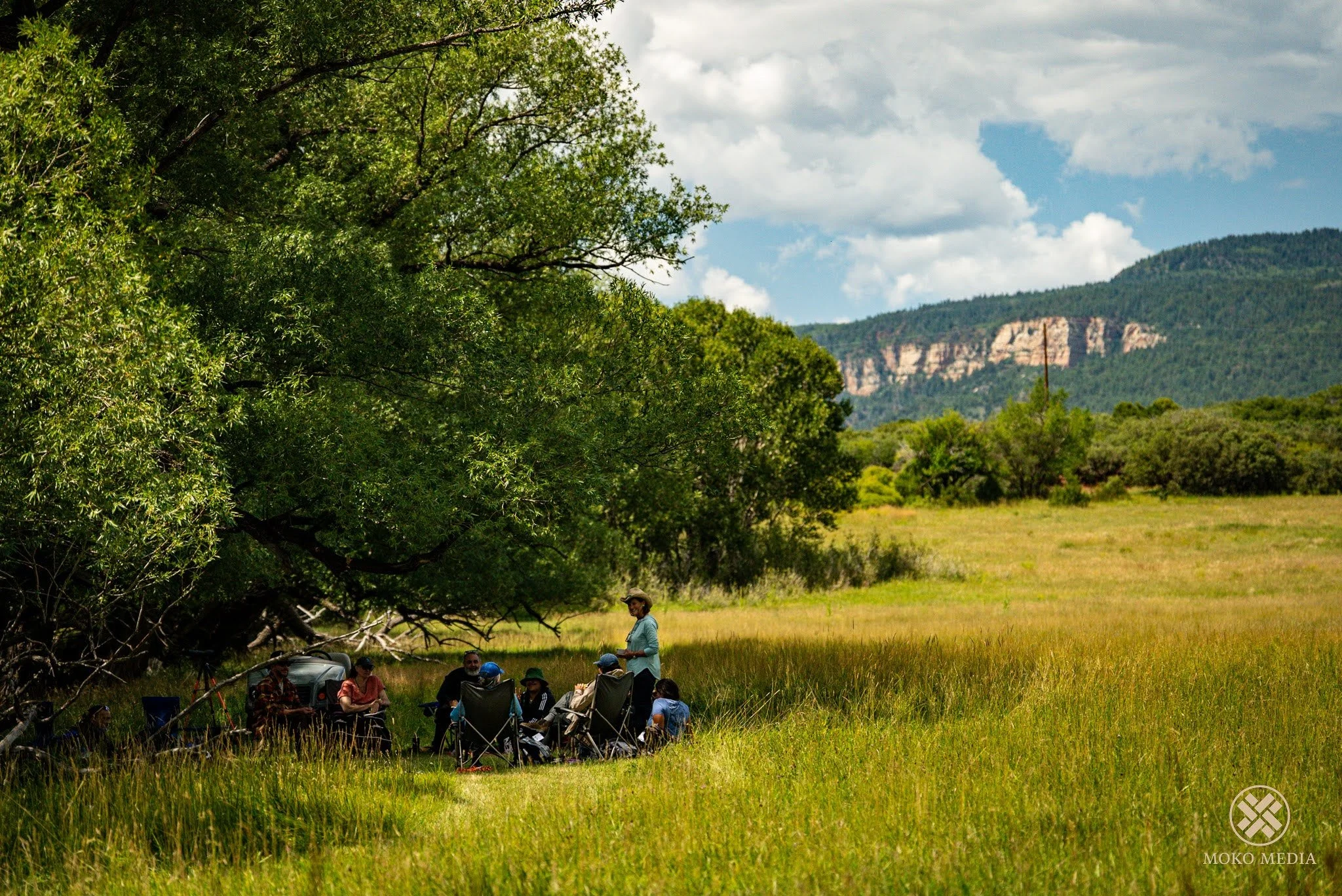
The gathering highlighted the critical importance of fostering ongoing dialogues between Indigenous communities worldwide, positioning these connections as essential for building resilient, adaptive networks of knowledge and practice. The mycelium served as a central metaphor, illustrating how ideas, wisdom, and support can flow through complex, interconnected systems, creating strength and adaptability across diverse contexts.
This gathering functions as a seed, initiating pathways for new projects, collaborations, and intercultural connections that advance Indigenous-led approaches to sustainability and ecological stewardship. Organizations such as Biomimicry for Social Innovation, the Biomimicry Center at ASU, and Te Matakupenga seek to nurture a global Indigenous network that encourages ethical, collaborative, and culturally informed knowledge exchange. By fostering mutual understanding and a shared language, these efforts aim to generate solutions that are globally relevant, respectful of Indigenous wisdom, and aligned with principles of balance, reciprocity, and collective regeneration.